Last updated: August 20, 2026
Two very different tents get sold as winter tents, and buying the wrong one is an expensive way to find out they are not alternatives. One is a low, strong shelter built to shed snow and survive wind. The other is a canvas room with a chimney port, built to be heated.
Which one you want depends almost entirely on how you get to the site and what you plan to do once you are there. Car campers driving to a snowy forest road in February usually want the heated version. Anyone parking at a windswept trailhead wants the strong one. This comparison lays out what each design does well, what it costs you, and how to tell which camper you are.
This article contains affiliate links. If you buy through them, we may earn a commission at no extra cost to you. Learn more.
Quick Answer
Four season tent or hot tent for winter camping?
- A four season tent is built for wind and snow load, with stronger poles and a fly that reaches the ground. It is not heated.
- A hot tent is canvas or polycotton with a stove jack, so it can be warmed by a wood stove. It is heavy and slow to pitch.
- Car campers who want comfort at a fixed site usually want the hot tent. Anyone dealing with real wind wants the four season tent.
- Neither one keeps you warm on its own. Insulation underneath you does more than either tent.
Bottom line: pick by whether your winter problem is wind and snow or long cold evenings.
What Each Design Is Actually Built For
A four season tent is engineered around structure. More poles, often in a geodesic arrangement, stronger pole material, a fly that reaches the ground, and less mesh so spindrift stays outside. ALPS Mountaineering, for example, builds its Tasmanian around a geodesic pole structure using 7000 series aluminum poles fed through continuous sleeves rather than clips, which is the sort of construction that survives a loaded, windy night.
A hot tent is engineered around heat. Canvas or polycotton fabric that tolerates a hot chimney, a stove jack to pass that chimney through, and enough interior volume to stand up in. White Duck’s Regatta bell tent is a common example, sold with a silicone coated stove jack in its fire and water repellent version.
Side by Side on What Matters
The table compares the two designs on the four factors that actually determine your trip. Weight and pitch time look like details until you are unloading a vehicle in the dark with a headlamp and cold hands.
| Factor | Four season tent | Hot tent | Who it decides for |
|---|---|---|---|
| Wind and snow load | Built for it, low profile, strong poles | Varies, tall walls catch wind | Exposed sites and alpine trailheads |
| Heating | No stove, body heat only | Designed around a wood stove | Long cold evenings at one site |
| Weight and bulk | Manageable, packs like a tent | Heavy canvas, needs a vehicle | Anyone carrying it any distance |
| Pitch time | Minutes, familiar pole structure | Longer, plus a stove to set up | Arriving after dark |
The Case for a Four Season Tent
A four season tent earns its price the night the wind comes up. Stronger poles and a full coverage fly mean the structure holds its shape under snow load instead of sagging onto your face, and the reduced mesh keeps blowing snow out of the interior. It also pitches fast, packs like a normal tent, and works the rest of the year in bad weather.
What it does not do is make you warm. It cuts wind and holds a little body heat, and that is the whole contribution. Everything else about a comfortable winter night comes from your sleeping system, which is the argument our cold weather camping guide makes at length.
The Case for a Hot Tent
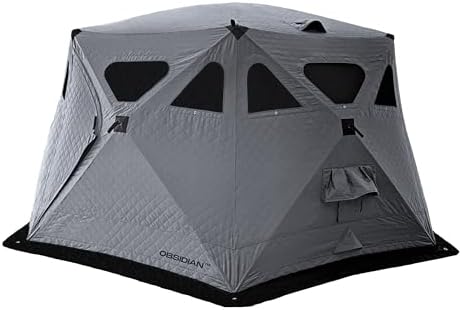
A hot tent turns winter camping from endurance into something people do for fun. With a stove running you can dry boots and gloves, sit in a base layer while it snows outside, and change clothes without shivering. For a group at a fixed site over several days, nothing else comes close.
The costs are real. Canvas is heavy enough that it needs a vehicle, pitching takes longer, the stove and pipe take their own space, and you are now responsible for a fire inside a tent. That means clearances from the stove maker, a spark arrestor, a noncombustible base, and a battery carbon monoxide alarm at sleeping height every night. Our hot tent wood stove guide covers that setup in full.

The Third Option Most Car Campers Actually Need
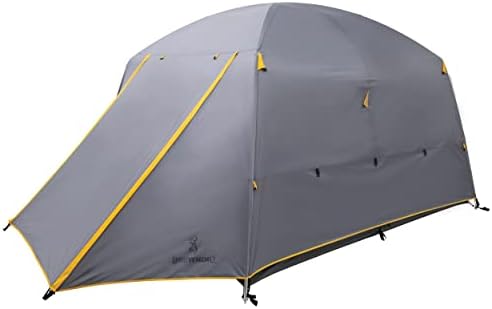
Plenty of winter trips are not extreme. A car camper spending a cold weekend at a campground in a sheltered valley may need a sturdy tent with a full coverage fly and good venting rather than either specialist design. That tent costs less, pitches faster and works all year, which for many people is the honest answer.
The thing to look for is a fly that reaches the ground, a bathtub floor, and vents you can adjust from inside, because condensation is the real problem in a cold tent. A tent that seals tight and cannot vent will rain on you from the inside by morning regardless of what the label says about seasons.
Condensation, the Problem Neither Tent Solves Alone
Every person in a tent puts moisture into the air all night, and cold fabric turns that moisture into water on the inside surface. In a four season tent with less mesh, that effect is stronger, not weaker, which surprises people who assumed a tighter tent would be drier.
Venting on Purpose
Open the vents even when it feels wrong. A small amount of continuous air exchange keeps the fabric from streaming and keeps your insulation dry, and dry insulation is worth more than a few degrees of trapped air. In a hot tent, the stove drives this exchange on its own while it is running.
Manage Wet Gear Deliberately
Boots, gloves and shells brought inside release everything they absorbed during the day. Keep them in a vestibule where possible, or in a bag rather than loose against the tent wall, and dry them at the stove if you have one rather than in your sleeping bag.
What Actually Keeps You Warm
Neither tent generates heat, and the biggest heat loss on a winter night goes downward into the ground rather than outward into the air. That makes the sleeping pad, and its R value, the single most important item in the whole kit. Manufacturers publish R values for their pads and that published figure is the one to compare.
After the pad, the bag rating and dry layers do the rest. Heating appliances are a comfort layer on top of a system that already works, which is why our tent heater buying guide starts by asking what your site can supply rather than which model to buy.
Frequently Asked Questions
Do I need a four season tent for winter car camping? Not always. If your sites are sheltered and snow load is light, a sturdy tent with a full coverage fly and good venting is often enough. Four season construction earns its price where wind and snow load are real.
Can I put a wood stove in a four season tent? Only if that tent is canvas or polycotton and has a stove jack. Nylon and polyester tents melt near a hot chimney, and no accessory changes that.
Which is warmer without a stove? They are closer than people expect, because neither generates heat. A four season tent blocks wind better, while a large canvas tent has more air to warm. Your pad and bag decide the night either way.
Are hot tents safe? They are used routinely with the right setup: the clearances the stove maker specifies, a spark arrestor, a noncombustible base, and a battery carbon monoxide alarm at sleeping height. A wood fire in a small space always requires an alarm.
Why is my winter tent wet inside? Condensation from breathing and from wet gear, not a leak. Cold tents need deliberate venting, and a tent sealed tight against the cold produces more interior water rather than less.
Can I use my summer tent in the snow? For light snow at a sheltered site, sometimes, but the poles and the fly coverage are the limits. Heavy snow load on a three season pole set is how tents get bent, and a fly that stops short lets spindrift in.
The Bottom Line
Buy a four season tent if wind and snow load are your problem, a hot tent if long cold evenings at a fixed site are, and a sturdy three season tent with a full fly if you are honestly somewhere in between. Then spend the rest of the budget on the pad and bag, because that is where winter comfort actually comes from. Read next: our hot tent wood stove guide and the broader cold weather camping guide.