Last updated: August 20, 2026
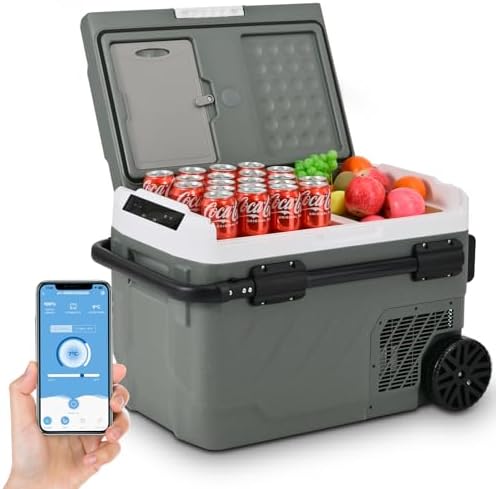
A 12V camp fridge is the upgrade that ends the ice run, and it is also the load that decides how big a battery you need. Everything else in a camp electrical setup is a rounding error next to it. Lights, phones and a fan together use less in a weekend than a fridge uses in a warm afternoon, because the fridge is the only thing that keeps switching itself back on all night.
That makes sizing a power station for a fridge a different problem from sizing one for gadgets. You are not asking how many watts the fridge draws, you are asking how many hours out of every twenty-four its compressor actually runs, and that depends on the weather, where you park it, and how often the lid gets opened. This guide sets out how to estimate it honestly and how many days of autonomy each battery size realistically buys.
This article contains affiliate links. If you buy through them, we may earn a commission at no extra cost to you. Learn more.
Quick Answer
What size power station runs a camp fridge?
- Size by days of autonomy, not by the fridge’s peak wattage, because the compressor cycles on and off.
- Duty cycle drives everything: shade, a full fridge and fewer lid openings can halve the daily draw.
- Run the fridge on 12V DC rather than through the inverter, which avoids a constant conversion loss.
- Past two or three days, a solar panel matters more than a bigger battery.
Bottom line: estimate the fridge’s daily watt hours from its published draw and a realistic duty cycle, then buy a battery that covers your longest unpowered stretch with a margin.
Duty Cycle Is the Number That Matters
A compressor fridge does not draw its rated wattage continuously. It runs until the box hits temperature, shuts off, and restarts when the temperature drifts back up. The fraction of the day it spends running is the duty cycle, and it is the single biggest variable in how much power the fridge uses.
Manufacturers publish a running wattage rather than a daily consumption, because daily consumption depends on your conditions. Alpicool, for example, describes most of its compressors as drawing in the region of 45 to 55 watts while running and around 2 watts when idle. The running figure is easy to find. The hours per day are what you have to estimate.
What Pushes the Duty Cycle Up
Heat is the dominant factor. A fridge in the sun, in a closed car, or in the back of a truck bed on a hot afternoon runs far more than the same fridge in the shade with air moving around it. Lid openings matter too, and so does how full the box is, since a full fridge holds its cold and an empty one cycles constantly. None of these are marginal effects.
Estimating Your Daily Watt Hours
Take the running wattage from the fridge’s specification, multiply it by the hours per day you expect the compressor to run, and you have a daily watt hour figure. A conservative planning assumption for a warm weekend is that the compressor runs a substantial fraction of the day, and a shaded, well-packed fridge in mild weather runs far less.
Because the estimate is rough, size the battery with headroom. A quarter on top of the calculated figure absorbs inverter losses, cold weather capacity drop and battery aging. Better still, watch the power station’s own display over a full day at camp: one trip tells you what your fridge really costs, which beats any published estimate.
Run the Fridge on DC, Not Through the Inverter
A 12V fridge plugged into a power station’s AC outlet goes through the inverter, which converts battery power to household AC and then the fridge’s own supply converts it back down. Every one of those conversions loses energy, and the loss runs all day and all night alongside the fridge itself.
Use the power station’s 12V DC output with the fridge’s own DC cord instead. It is the same reason power station makers recommend DC for other continuous loads, and on a multi-day trip it is worth a meaningful share of your total capacity. Check that the power station’s DC output is regulated and rated for the fridge’s current draw, which the manufacturer publishes on the listing.
Sizing by Days of Autonomy
One Weekend, Shade Available
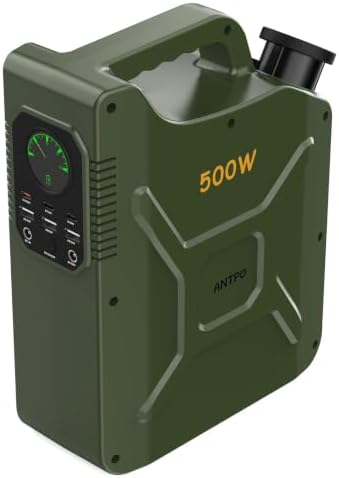
Two nights with the fridge shaded and reasonably full is the easiest case, and a mid-size power station with a regulated 12V output handles it. Look for a clearly published watt hour rating and a DC socket rated for the fridge’s draw rather than a model sold on AC outlet count.
Three Days or More, or Hot Weather
Longer stays and hot weather push the duty cycle up at the same time as they push your patience down. A larger power station buys margin, and it also gives you enough spare capacity to run lights and charge devices without eating into the fridge’s budget.

Any Trip Where the Battery Has to Be Refilled
Past two or three days, adding solar beats adding battery. A folding panel matched to the power station’s input specification turns a fixed budget into a daily top up, and a fridge is exactly the kind of steady load solar suits.

The Fridge Itself
If you have not bought the fridge yet, the efficiency of the box changes the battery you need. Insulation thickness, lid seal quality and compressor type all affect the duty cycle, and they are worth more attention than headline capacity in quarts.
How the Sizes Compare
Treat this as a shape rather than a promise, because your duty cycle decides the real answer. Every figure should be checked against the watt hour rating the manufacturer publishes for the specific model.
| Setup | What it typically covers | Weak point | Best for |
|---|---|---|---|
| Small power station | One night plus lights and phones | No margin in hot weather | Overnighters |
| Mid-size power station | A shaded weekend with the fridge on DC | Runs short if the fridge sits in sun | Most car campers |
| Large power station | Several days plus other loads | Heavy and slow to recharge from the car | Longer or hotter trips |
| Power station plus solar | Open-ended, weather permitting | Shaded sites and rainy days | Dispersed camping |
Cutting the Fridge’s Appetite at Camp
Placement is the cheapest saving available. Keep the fridge out of direct sun, leave air space around the vents, and never leave it sealed in a hot car during the middle of the day. A fridge that spends the afternoon in shade with airflow can use dramatically less than the same unit baking in a truck bed.
The rest is habit. Pre-cool the fridge at home before the trip so it arrives cold rather than spending the first evening pulling temperature down. Keep it full, using bottles of water to fill gaps if the food does not. Decide what you want before you open the lid, and set the thermostat to fridge temperature rather than freezer temperature unless you actually need frozen food.
Food Safety Is Not a Guessing Game
If the battery runs out mid-trip and the fridge warms up, do not judge the contents by smell or by how long it has been. The USDA publishes guidance on safe holding temperatures for cold food and on what to do when refrigeration is interrupted, and that is the reference to use. Keeping a small thermometer in the box takes the guesswork out entirely.
Frequently Asked Questions
What size power station do I need for a 12V camping fridge? Enough watt hours to cover your fridge’s daily consumption times the number of unpowered days, plus about a quarter for losses and cold. Daily consumption depends on the duty cycle, not the peak wattage.
How long will a 500 watt hour power station run a camp fridge? There is no single answer, because a shaded, full fridge in mild weather may use a fraction of what the same unit uses in the sun. Measure your own fridge over one day at camp and you will know.
Should the fridge run on DC or through the AC outlet? DC, using the fridge’s own 12V cord. Running it through the inverter adds a conversion loss that continues for the entire trip.
Do I need solar to run a fridge while camping? Not for a weekend if the battery is sized with margin. From roughly the third day onward, solar becomes more useful than a bigger battery.
Can I run the fridge off the car battery instead? Only while the engine is running, unless the vehicle has a second battery or a dedicated accessory circuit. A fridge left on an ordinary starter battery overnight can leave you unable to start the car.
What if the power runs out and the food warms up? Follow the USDA guidance on cold food holding temperatures and interrupted refrigeration rather than judging by appearance or smell. A thermometer in the box makes that call straightforward.
The Bottom Line
Size a power station for a camp fridge by days rather than by watts. Get the running wattage from the fridge’s specification, estimate a realistic duty cycle for your weather and placement, add a quarter for losses, and run the fridge on the 12V DC output rather than the inverter. Beyond three days, put the money into a panel rather than a bigger battery. If you are still choosing the box itself, our guide to an electric cooler for camping covers the efficiency features that decide the duty cycle, and how many watt hours a weekend needs puts the rest of your camp loads in the same arithmetic.