Last updated: August 20, 2026
An electric cooler solves the most annoying part of camping with food: the ice run. No melting, no soggy packaging, no cooler full of cold water by Sunday. It also introduces a problem that ice never had, which is that it needs power the entire time, and the amount it needs is the difference between a great weekend and a dead battery.
There are two completely different products sold under the same phrase, and they behave nothing alike. One is a thermoelectric cooler that pulls the temperature down relative to whatever the air is doing. The other is a real compressor fridge. Knowing which one you are looking at, and what it draws, is the whole buying decision.
This article contains affiliate links. If you buy through them, we may earn a commission at no extra cost to you. Learn more.
Quick Answer
Is an electric cooler worth it for camping?
- Only if you have a power source planned, since it draws power for the whole trip.
- Compressor fridges hold a set temperature; thermoelectric coolers only cool relative to the air.
- Check the average draw the maker publishes, then match it to your power station capacity.
- For a single weekend near a store, ice in a good cooler is still simpler and cheaper.
Bottom line: buy a compressor model and size the power first, or stay with ice, because a thermoelectric cooler on a hot day disappoints almost everyone.
Compressor or Thermoelectric
A compressor fridge works the way your kitchen refrigerator does and holds a temperature you set, regardless of how hot it gets outside. A thermoelectric cooler uses a Peltier element and can only pull the inside down a certain amount below the surrounding air, which makers state in the listing as a cooling range rather than a target temperature.
That distinction decides everything. On a mild day a thermoelectric unit keeps drinks pleasantly cold. On a 95 degree afternoon in a car, the same unit cannot get anywhere near a safe holding temperature for perishable food, because it is chasing the ambient temperature rather than setting one.
Power Draw Is the Real Specification
Look for the average power consumption or the amp draw in the maker’s specification, not the peak figure. Portable compressor fridges are efficient, and makers publish average consumption in watts for their models. BougeRV, for example, lists its CRPRO 30 at 45 watts in max mode and 36 watts in eco mode, which is a typical shape for this category.
Average draw matters because a fridge cycles. It runs hard to pull the temperature down, then idles, then runs again, and how much of the time it spends running depends on outside temperature, how full it is, how cold you set it, and how often you open the lid.
Turning Watts Into a Weekend
Multiply the average draw by the hours you expect to run it, and you have the watt hours the trip needs. Compare that to the usable capacity of your power station, which is always less than the number on the box, and add margin for hot weather. Our watt hour guide walks through that math properly.
Running from the vehicle socket is the other common approach, and it needs a battery protection cutoff so the fridge shuts off before it flattens the car battery. Most compressor models have this built in with selectable settings, and it is worth confirming that the model you are looking at includes it.
Sizes and Shapes That Suit Car Camping
Portable fridges are sold by quart or liter capacity, and small ones are more efficient simply because there is less to cool. A compact unit that lives behind the seats and holds meat, dairy and a few days of meals, with drinks in a normal cooler, is a much better fit for car camping than one enormous fridge.
Check the external dimensions against where it will actually sit. These units need airflow around the compressor vents, so a fridge wedged tightly between gear bins runs hotter, cycles more and draws more power than the specification suggests.
Dual Zone Models
Larger fridges often offer two compartments with separate temperature settings, so one side can run as a freezer. That is genuinely useful for longer trips, and it costs both power and space, so it suits people camping for a week rather than a weekend.
Single zone units are lighter, cheaper and simpler, and for most car camping the freezer compartment goes unused. Decide based on whether you actually want frozen food at the site, not on whether the feature sounds good.
Electric Cooling Options Compared
| Type | Holds a set temperature | Power needs | Best for |
|---|---|---|---|
| Compressor fridge | Yes, set and hold | Continuous, cycles on and off | Multi day trips with a power station |
| Dual zone compressor | Yes, fridge and freezer | Highest of the electric options | Long trips, frozen food |
| Thermoelectric cooler | No, relative to air temperature | Continuous, modest but constant | Drinks on mild days, short drives |
| Ice cooler | No, but reliably cold when packed | None | Weekends near a store |
Electric Coolers by Situation
Best General Choice for Car Camping
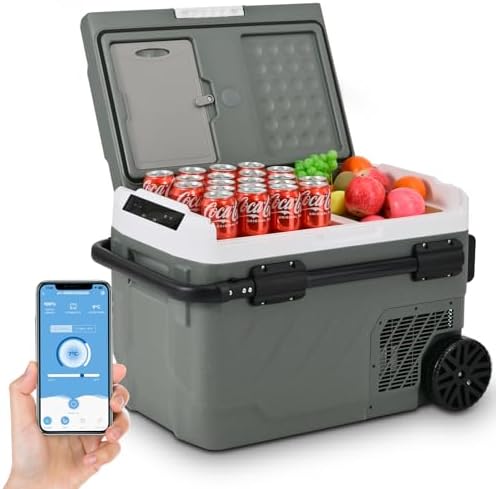
A compact 12 volt compressor fridge in the small to mid capacity range is the version that suits most car campers: it fits behind the seats, holds a real temperature and does not demand an oversized power station. Check the published average draw before choosing a size.
Best Value Entry Into Compressor Cooling
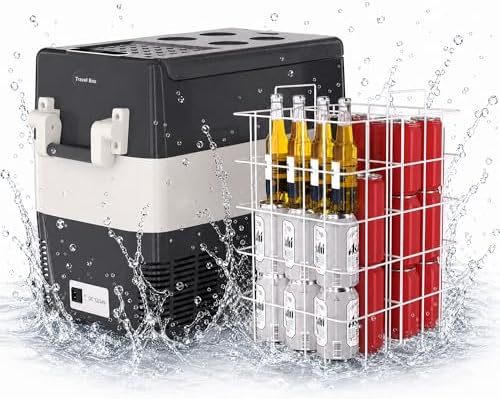
Alpicool has built its range around lower cost compressor units, which makes it the common starting point for people trying a fridge before committing to a premium brand. Confirm the capacity and the average consumption on the specific model rather than the range as a whole.
Best for Rougher Trips and Longer Stays
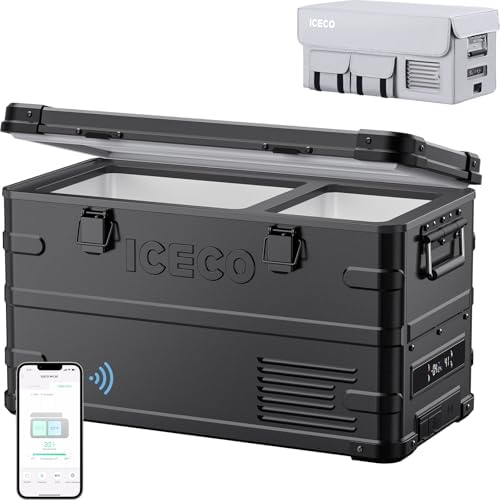
ICECO and Dometic build the more heavily insulated, better sealed end of this category, with efficiency that shows up as fewer watt hours per day. If the fridge is going to live in a truck bed or run for a week, that build quality is where the money goes.
Best Cheap Option for Drinks on Mild Days
A thermoelectric cooler plugged into the vehicle socket keeps drinks cold on a drive and costs a fraction of a compressor unit. Treat it as a drinks box rather than food storage, because it cools relative to the air rather than to a set temperature.

Food Safety With an Electric Cooler
The advantage of a compressor fridge is that you can actually verify the temperature instead of estimating from how much ice is left. USDA’s Food Safety and Inspection Service lists 40 degrees Fahrenheit or below as the safe holding temperature for cold perishable food, and describes the range from 40 to 140 degrees as the danger zone where bacteria multiply quickly.
Set the fridge accordingly and check the display rather than trusting the dial position, since a unit running in a hot car with the vents blocked may not be achieving what it is set to. A separate appliance thermometer inside is a cheap sanity check.
What Happens When the Power Runs Out
An unpowered fridge is a moderately insulated box, and it warms up much faster than a full ice cooler. If you are relying on one for perishable food on a longer trip, have a plan for the power: a solar panel to top the power station up during the day, or a vehicle run at some point.
Keeping the unit full also helps, because contents hold cold better than air. Filling gaps with bottles of water gives the fridge thermal mass and buys time if the power does drop.
Frequently Asked Questions
How much power does a camping fridge use? Makers publish an average consumption figure per model, and it varies with outside temperature, how cold you set it, how full it is and how often it is opened. Read the figure for the specific model, then multiply by the hours you plan to run it to get watt hours.
Can I run a 12 volt fridge off my car battery? Many people do, using a battery protection cutoff so the fridge shuts down before the starter battery is flattened. Check that the model includes that protection and understand that a parked engine is not charging anything, so a long stay needs a power station or a solar top up.
Are thermoelectric coolers any good? For drinks on a mild day, yes. For perishable food in summer heat, no, because they cool relative to the surrounding air rather than holding a set temperature, and the air inside a parked car gets very hot.
What size portable fridge do I need for camping? Smaller than most people first buy. A compact unit for perishables plus a normal cooler for drinks uses less power and packs better than one large fridge that gets opened constantly.
Is an electric cooler cheaper than buying ice? Over many trips it can be, but the comparison ignores the power station you probably need to buy alongside it. For occasional weekend camping near a store, ice is still the simpler answer.
Does a portable fridge need ventilation? Yes. The compressor and its vents need airflow, and a unit wedged tightly between bins runs hotter, cycles more and uses more power. Leave clearance on the vented side and keep it out of direct sun.
The Bottom Line
An electric cooler is worth it when you camp for several days, want reliable food temperatures, and have already worked out where the power comes from. Buy a compressor model, size it small, and read the published average draw before anything else. Our watt hours guide turns that figure into a weekend, and sizing a power station for a camp fridge covers the battery side of the same question.