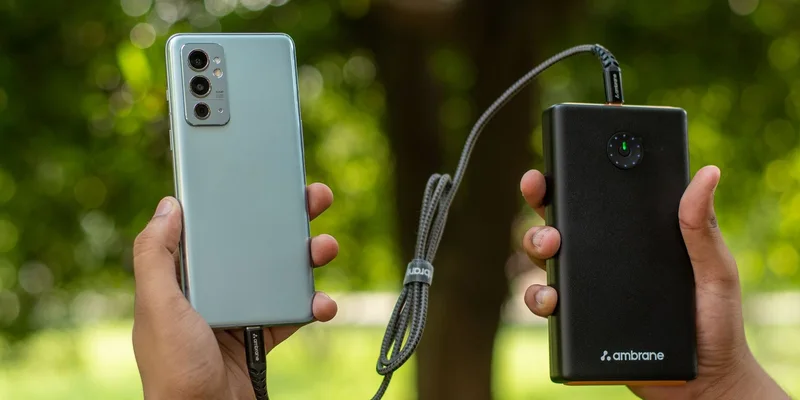
Last updated: August 20, 2026
Plenty of people stop camping because of a CPAP, and almost none of them need to. The machine itself is a modest electrical load, far smaller than a kettle or a camp fridge, and the whole problem comes down to one calculation: how many watt hours your machine actually uses in a night, multiplied by the number of nights, plus a margin for a cold tent and a battery that is not brand new.
The trouble is that the internet answers this question with confident numbers that do not apply to your machine. Draw varies enormously between models and settings, and the humidifier and the heated hose can use more power than the blower does. This guide walks through how to find the figure for your own equipment, how to size a power station around it, and the two settings changes that make the biggest difference at camp.
This article contains affiliate links. If you buy through them, we may earn a commission at no extra cost to you. Learn more.
Quick Answer
What size power station do you need for a CPAP at camp?
- Start from your own machine’s rated draw, printed on the power supply and listed in its manual.
- Multiply by hours per night and by nights away, then add a margin for cold and battery age.
- Turning the humidifier off and using a DC cable instead of the AC outlet both stretch the same battery a long way.
- Anything you plan to rely on medically should be confirmed with your equipment supplier, not with a camping article.
Bottom line: size the battery around your machine’s published draw with the humidifier off, then add a recharging route for trips longer than two nights.
Find Your Machine’s Actual Draw First
Every calculation downstream depends on this one number, and it is printed on your own equipment. Look at the label on the power supply brick, which lists the input and output ratings, and check the specification section of the machine’s manual. Those figures come from the manufacturer and they are the only ones that describe your setup.
Two things push the number up. The pressure setting matters, since a machine working harder draws more, and the humidifier and heated hose are separate heating loads on top of the blower. Manufacturers publish these as separate figures precisely because the difference is large, which is why a single quoted wattage from a forum post is not a safe basis for buying a battery.
Why Published Camping Figures Vary So Much
Power station makers publish their own estimates, and they are useful as a sanity check rather than as your answer. Jackery, for instance, publishes the Explorer 500 at 518 watt hours and estimates roughly a full night for a CPAP drawing around 40 watts. Change the machine, the pressure, or the humidifier setting and that estimate moves substantially, which is exactly the point.
The Two Settings That Change Everything
Before you buy a bigger battery, change how the machine runs at camp. Switching the humidifier off, and switching the heated hose off with it, removes the largest heating load from the circuit. Jackery’s own guidance notes that turning the humidifier off can roughly double the runtime you get from the same battery.
The second change is how the machine is fed. Running from the power station’s 12V DC output with the correct DC cable for your machine skips the inverter, and inverters lose energy converting battery power to household AC. Jackery recommends the DC route for exactly this reason. Your machine’s manufacturer sells or specifies the correct DC cable, and that is the one to use rather than a generic adapter.
Talk to Your Equipment Supplier
A CPAP is medical equipment and this is a camping guide, so treat everything here as background for a conversation rather than as instruction. Your DME supplier or the machine’s manufacturer can confirm which DC cable is correct for your model, whether running without humidification is appropriate for you, and what the machine does if power is interrupted overnight. That call is worth making before the first trip.
Doing the Watt Hour Math
The arithmetic is simple once you have the draw. Multiply the machine’s watts by the hours you sleep to get watt hours per night, multiply that by the number of nights, then add a margin. A reasonable working margin is a quarter on top, which covers inverter losses, cold weather, and the fact that no battery gives you every watt hour on the label.
That margin is not pessimism. Lithium batteries deliver less usable capacity in cold conditions, and a power station a few years old holds less than it did new. Sizing to the exact calculated figure means waking up to an alarm on the last morning of the trip.
Power Stations for CPAP Use by Situation
One or Two Nights, One Machine
For a single weekend with the humidifier off, a mid-size power station with a 12V DC output covers most machines with margin to spare. Prioritize a model with a clearly published watt hour rating and a regulated DC output rather than one sold purely on its AC outlet count.

Longer Trips or Two Machines in One Tent
A week away, or a couple who both use a machine, doubles or triples the requirement quickly. This is where a larger power station makes sense, ideally one that also accepts solar input so the trip is not limited by the battery you brought.

Recharging Between Nights
Any trip past two nights needs a way to put energy back. A folding solar panel matched to the power station’s input specification is the usual answer for unpowered sites, and it turns a fixed budget of nights into an ongoing supply as long as the weather cooperates.

The Cable That Makes It Efficient
The DC cable specific to your machine is the cheapest performance upgrade in this whole setup, because it removes inverter losses from every hour of every night. Buy the cable your machine’s manufacturer specifies rather than a generic barrel adapter, and confirm the fit with your supplier.
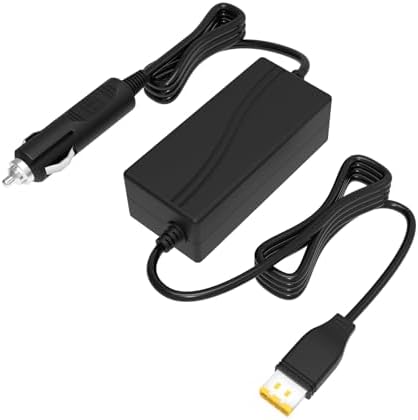
Comparing the Ways to Power a CPAP at Camp
Four routes exist, and they suit different trips. Only one of them is genuinely quiet all night.
| Option | How it feeds the machine | Limits | Best for |
|---|---|---|---|
| Portable power station | 12V DC cable, or AC outlet | Fixed capacity, needs recharging | Most car campers |
| Power station plus solar | Same, topped up by day | Depends on sun and panel input | Longer unpowered trips |
| Powered campsite hookup | Normal wall outlet | Only at full-service campgrounds | Simplest option when available |
| Vehicle battery | 12V socket, engine off | Risk of a flat car, quiet hours aside | Emergency backup only |
Generators Are Not the Answer at a Campground
A generator can certainly run a CPAP, but campgrounds set generator hours and those hours end well before bedtime. Running one overnight is against the rules at most sites, and it is the fastest way to make enemies of everyone within earshot. A battery is silent, which is the whole reason it wins here.
Check the generator policy for the specific campground or land manager before assuming anything, since rules differ by park, by season, and sometimes by loop within the same campground. Where generators are permitted, they are useful for recharging a power station during the day rather than for running equipment at night.
Frequently Asked Questions
How many watt hours does a CPAP use per night? It depends on your machine, your pressure setting, and whether the humidifier is on. Take the wattage from the label on your power supply and the machine’s manual, and multiply by the hours you sleep.
Does turning the humidifier off really help? Substantially. The humidifier and heated hose are heating loads on top of the blower, and Jackery’s own camping guidance notes that switching the humidifier off can roughly double the runtime from the same battery. Whether that is right for you is a question for your supplier.
Should I use the AC outlet or a DC cable? A DC cable if your machine supports one, because it avoids the inverter losses that come with converting battery power to household AC. Use the cable your machine’s manufacturer specifies.
Can I run a CPAP off my car battery? It is possible through the 12V socket, but a night of use can leave you unable to start the car, and many vehicles cut the socket when the ignition is off. A dedicated power station is the safer arrangement.
Do I need solar for a weekend trip? Usually not, if the power station is sized with a margin. Solar starts to matter from about the third night, or any time the trip length is uncertain.
Is a generator allowed overnight at a campground? Almost never. Campgrounds publish generator hours and those hours end at quiet hours. Check the rules for the specific site with the campground or land manager.
The Bottom Line
Powering a CPAP at camp is a sizing exercise, not an obstacle. Get the draw from your own machine’s label and manual, run it with the humidifier off and on a DC cable if your supplier agrees that suits you, then buy a power station whose published watt hour rating clears your total with a margin. For the general arithmetic behind camp batteries, see how many watt hours a weekend needs, and if a cooler is also on the circuit, sizing a power station for a camp fridge covers the load that dwarfs everything else.