Last updated: August 20, 2026
The camp chair is the piece of gear you use the longest and think about the least. It comes out of the trunk before the tent goes up and it is still out after the fire dies down, and by the second evening you know exactly whether you bought the right one. A seat that sits too low to stand up from, a frame that sinks into soft grass, a bag that refuses to close again: none of that shows up in a listing photo.
Camping chairs look interchangeable online because most use the same folding quad frame and the same polyester seat. What separates a chair you keep for years from one left at the curb is a short list of measurements: seat height, seat width, the published load rating, the shape of the feet, and folded size. This guide runs through them in the order that decides how a chair feels at a site.
This article contains affiliate links. If you buy through them, we may earn a commission at no extra cost to you. Learn more.
Quick Answer
What makes a camping chair worth buying?
- Seat height decides how easy the chair is to get out of, so compare it against a dining chair you already find comfortable.
- The load rating published for that model, not how thick the tubing looks, tells you what the frame is built to carry.
- Wide feet or a solid base keep the chair on top of sand and soft grass instead of driving into it.
- Folded size matters as much as comfort once four chairs share the trunk with a cooler and a tent.
Bottom line: settle seat height and load rating first, then pick the style that suits your site and your car.
What Actually Decides Whether a Camp Chair Works
Four things decide it: how high the seat sits off the ground, how much room there is between the armrests, what the frame is rated to carry, and what the feet do on soft ground. Fabric color, cup holder count and cooler pouches are preference. The four numbers above are fit.
Everything else on a spec sheet follows from those. A chair with a tall seat and a firm front edge is easy to stand up from and hard to nap in, and a low deep sling is the opposite. Neither is better in the abstract.
Seat Height Is the Spec Most People Ignore
Seat height is the distance from the ground to the top of the seat when the chair is open. Low chairs, roughly picnic blanket height, feel relaxed and are awkward to leave. Taller chairs sit closer to a kitchen stool and suit anyone with stiff knees, a bad hip or a habit of getting up to tend the stove.
The easy check is at home. Measure the seat of a dining chair you can sit in for an hour without shifting, then compare that number against the seat height in the listing. If the camp chair is much lower, expect to use your arms to get out of it every time.
Sling Depth and the Front Edge
Two chairs with the same seat height can feel different because of how far the fabric sags. A deep sling wraps you in and pulls your knees up, which is comfortable for an evening by the fire and tiring for eating at a picnic table. A flatter, more supported seat keeps your feet under you.
Load Rating and Frame Construction
Every serious maker publishes a capacity for each model, and that published figure is the only number worth using. ALPS Mountaineering lists the King Kong at 800 pounds, Coleman lists the Big-N-Tall Quad at 600 pounds, and GCI lists the standard Freestyle Rocker at 250 pounds. The spread between models from the same brand is large.
Steel frames are heavier and generally carry more; aluminum frames pack lighter and are more common on chairs built to be carried. Read the capacity for the exact model and color you are ordering, because brands often run a standard and an oversized version of the same chair under one product family.
Camping Chairs by Situation
Most campers do not need the single best chair, they need the one that matches their site and their body. The situations below cover the common cases: a general family chair, a rocker for the fire ring, a recliner for long evenings, a wide frame for bigger campers, and something packable for a crowded trunk.
Best All Round Chair for a Family Site
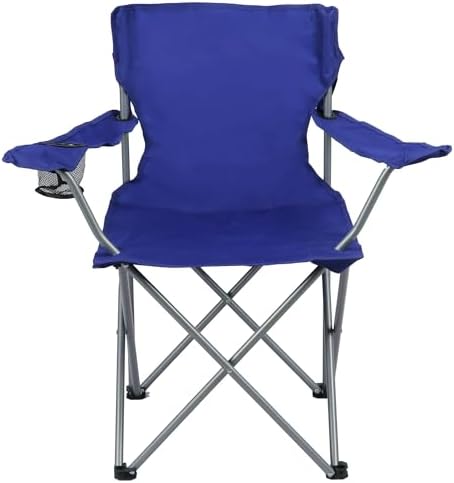
A standard quad chair with a mesh back, a cup holder and a shoulder bag covers most car camping. It is easy to hand to a guest, easy to replace, and light enough that a kid can carry their own to the beach.
Best for Sitting Around the Fire Ring
Rocking chairs turn a long evening into something closer to a porch. Look at the foot design before the rocking mechanism, since the whole point falls apart on soft ground.

Best for Long Evenings and Naps
A reclining or padded lounge chair trades pack size for a backrest that leans well past upright, which is what most people actually want after a day of driving and setting up.

Best for Bigger and Taller Campers
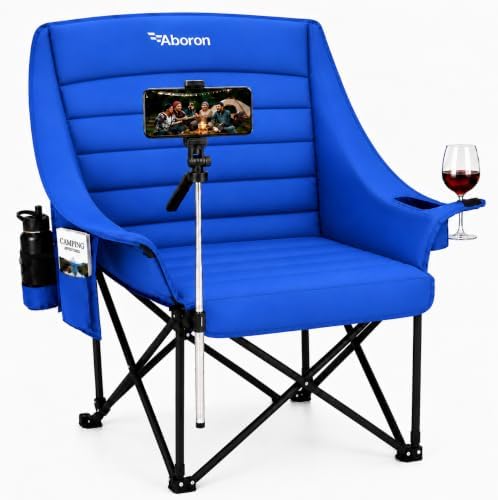
Oversized frames give you more room between the armrests and a higher published capacity. Width between armrests matters at least as much as the capacity number.
Best When Trunk Space Is Tight
Packable chairs with shock corded aluminum poles fold to roughly the size of a loaf of bread, which is the difference between four chairs fitting and three.

Pack Size and How It Rides in the Car
Folded length is the number that decides whether your chairs ride flat under the tailgate or stand upright against a window. Quad chairs fold to a tall thin bundle, low chairs fold flatter and wider, and packable chairs break down into a small stuff sack. Measure the space you actually load into.
Loading order matters as much as size. Chairs come out early and go back in last, so they belong on top or against the tailgate rather than buried under the cooler and the tent bag.
Feet, Sand and Soft Ground
Thin tube ends sink. On packed gravel it makes no difference, but on sand, damp grass or a site chewed up by rain, a narrow foot works its way in until the chair leans and the front edge digs at the back of your legs. Wide molded feet, a skid bar or a continuous rail spread the load instead.
This is why rocking chairs and beach chairs get built with broad plastic feet or a wide base rail. If most of your camping happens on sand or soft ground, treat the foot design as a buying criterion rather than a detail.
Comparing the Main Chair Styles
The table below sorts the common styles by what they are actually good at. Read it alongside your own site conditions: a chair that suits a gravel campground pad can be the wrong pick for a sandy lakeshore.
| Style | Seat position | Best surface | Trade off |
|---|---|---|---|
| Standard quad | Mid height, mild sling | Gravel, hardpack | Narrow feet sink in sand |
| Oversized quad | Mid height, wide seat | Any firm ground | Bulky folded, heavier |
| Rocker | Mid height, spring base | Flat, firm ground | Rocking needs a level spot |
| Low lounge | Low, deep recline | Grass, sand | Hard to stand up from |
| Packable | Low to mid, taut sling | Firm ground | Small footprint, less padding |
Common Mistakes When Buying a Camp Chair
The most common one is buying by picture. A listing shot taken from the front hides seat height and sling depth entirely, and the model name rarely tells you which version of a chair family you are getting. Read the measurements, then read them again for the specific color and size you are adding to the cart.
The second is buying one style for every use. A rocker at the fire ring and a taller, firmer chair at the camp table are different jobs, and campers who own both use both. If you can only own one, pick for the seat you will spend the most hours in.
Skipping the Armrest Measurement
Width between armrests decides comfort for broader campers more than the capacity rating does. A frame rated to hold you can still pinch at the hips, and that is the complaint that turns up most often in reviews of standard sized chairs. Compare the seat width figure across models before you commit.
Frequently Asked Questions
What seat height should a camping chair have? Match it to a dining chair you find comfortable at home. Taller seats are easier to stand up from and better for eating at a table, lower seats feel more relaxed by the fire and take more effort to leave.
How much weight can a camping chair hold? It depends entirely on the model. Published capacities range from around 250 pounds on lightweight rockers to 800 pounds on heavy steel frames like the ALPS King Kong, so check the figure listed for the exact model.
Are mesh backs better than solid fabric? In hot weather, yes, because air moves through them and your back stays drier. Solid polyester holds a little more warmth on cold evenings and usually blocks wind better.
How do I stop a camp chair sinking into sand? Choose a chair with wide molded feet or a base rail rather than bare tube ends, or set a flat board or paver under each foot. A rocker with a continuous rail spreads load better than four narrow points.
Do camping chairs fit in a small car? Standard quad chairs fold long and thin and usually stand against a side window; low chairs fold flat and wide. If trunk space is the limit, a packable chair with shock corded poles takes a fraction of the room.
Can I leave camp chairs outside overnight? They handle weather, but fabric fades and metal parts corrode faster with repeated dew and sun. Tipping them forward so water drains off the seat, or bagging them overnight, extends how long they last.
The Bottom Line
Pick the seat height that lets you stand up without pushing off the armrests, check the capacity published for the exact model, and look at what the feet do on the ground you camp on. Everything after that is preference. If you sit longest around the fire, a rocking camp chair is usually the upgrade people notice most, and if your evenings run late, look at a reclining camp chair instead.