
Last updated: August 20, 2026
Sleeping pads get sold on thickness because thickness is easy to photograph. A four inch pad looks twice as comfortable as a two inch one, and in a store that is the whole conversation. Then you take the thick pad camping in early spring, wake up cold at three in the morning, and discover that the number nobody put on the front of the box was the one that mattered.
That number is R value, a measure of how well the pad resists heat moving from your body into the ground. Car campers have the luxury of ignoring weight and packed size, which means you can buy for warmth and comfort without the compromises a backpacker accepts. This guide covers how to read R value, which pad type suits which sleeper, and how to size a pad for a tent floor or a cot.
This article contains affiliate links. If you buy through them, we may earn a commission at no extra cost to you. Learn more.
Quick Answer
What should you look for in a camping sleeping pad?
- R value first, because it describes insulation from the ground and thickness alone does not.
- Type second: self inflating for most car camping, foam for durability, air pads for softness.
- Width matters more than campers expect, especially on a cot or next to a partner.
- Car camping removes the weight penalty, so buy the thicker, wider, warmer version.
Bottom line: pick the R value for your coldest expected trip, then choose the type and width that suit how you sleep.
R Value Is the Spec That Matters
R value describes thermal resistance, how much the pad slows heat moving from you into the ground. Higher numbers insulate more. Since 2020 the outdoor industry has measured it with a single standard, ASTM F3340, which means figures from different manufacturers can be compared directly instead of taken on trust.
Thickness and R value are related but not the same. An air pad can be very thick and still insulate poorly if the air inside is free to convect, while a thin closed cell foam pad insulates consistently because the still air is trapped in the foam. Our dedicated guide to sleeping pad R value goes deeper on choosing the number.
The Three Pad Types
Closed cell foam pads are solid foam that never deflates, cannot puncture and cost the least. They are the least comfortable of the three on their own and the most reliable of the three by a wide margin, which makes them excellent as a second layer under something softer.
Self inflating pads combine open cell foam with air, so opening the valve lets the foam expand and pull air in. They insulate well, feel plush, and stay usable at low pressure, which is why they dominate car camping. Air pads inflate entirely with a pump or a sack, give the most cushioning for the packed size, and depend on a seal holding.
Which Type Suits Car Camping
For most car campers the self inflating pad is the default. It needs no pump, it handles a cot deck or a tent floor equally well, and it forgives being slightly under inflated. ALPS Mountaineering and Coleman both sell self inflating pads in car camping widths through Amazon.
Foam earns its place as a backup and as the bottom layer of a two pad stack for cold nights. Air pads make sense when you want the most cushion and are willing to carry a pump and a patch kit.
Width, Length and Shape
Standard pads are cut narrow because that is what fits a backpacking tent and saves weight. In a car camping tent that logic does not apply, and a wide or extra wide pad keeps your arms and shoulders on insulation instead of on cold floor when you shift position.
Length should reach past your heels. Rectangular pads suit car camping better than tapered mummy shapes, since the extra material at the foot costs nothing you care about and stops your feet sliding onto bare ground. If the pad is going on a cot, measure the deck rather than assuming the sizes match.
Pads by Situation
Best all round choice for car camping
A wide self inflating pad with a solid published R value covers three season use on the ground or on a cot without a pump or a compromise.

Best for the coldest trips
An insulated pad with a high published R value, or a foam pad layered underneath a self inflating one, is what handles frozen or near freezing ground.
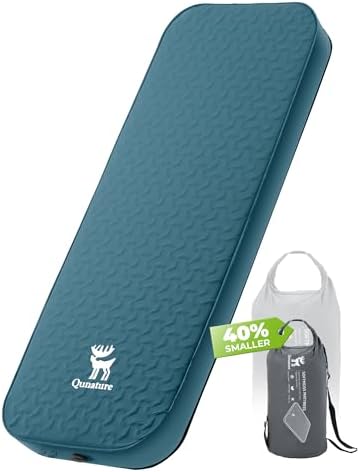
Best budget and backup layer
Closed cell foam costs little, cannot go flat, and doubles as a sit pad, a windbreak for a stove or a layer under an air mattress.

Best for couples sharing one surface
A double width pad removes the cold gap between two singles, which is the complaint couples raise most often about pad sleeping.
Best for side sleepers who bottom out
Thicker pads keep a hip clear of the ground when you lie on your side, which is a different requirement from raw insulation.

Comparing the Pad Types
| Pad type | Insulation | Comfort | Failure mode |
|---|---|---|---|
| Closed cell foam | Consistent, published per model | Firm and thin | Compresses over years |
| Self inflating | Good, foam plus air | Plush, adjustable | Slow leak at a seam |
| Insulated air pad | Depends on internal fill | Softest, thickest | Puncture ends the night |
| Foam plus self inflating | Highest of these options | Firm base, soft top | Bulk in the trunk |
Common Mistakes
The first mistake is buying on thickness and ignoring the published R value, which is how campers end up cold on a very comfortable pad. The second is over inflating. A pad pumped drum tight pushes your hip up rather than letting it settle in, and most people sleep better letting a little air out.
The third is reusing a narrow backpacking pad in a family tent. The width that made sense on a trail leaves your shoulders on the floor at a campground, and the fix costs less than most people assume because car camping pads do not pay the weight premium.
Frequently Asked Questions
What R value do I need for camping? It depends on the ground temperature you expect. Higher numbers insulate more, manufacturers publish them using the ASTM F3340 method, and our R value guide walks through matching the number to the season.
Is a thicker sleeping pad always warmer? No. Thickness affects cushioning; insulation depends on what is inside the pad and how still the air is. Compare published R values rather than inches.
Do I need a sleeping pad if I have an air mattress? Yes, in cool weather. The air inside a mattress cools to tent temperature and convects, so the pad goes on top of it.
Can I put a sleeping pad on a camping cot? That is one of its best uses, since a cot deck has moving air underneath. Measure the deck and buy a pad wide enough to cover it.
How long does a self inflating pad take to inflate? Longer than the listing suggests, and it depends on foam density and temperature. Our self inflating pad guide covers what to expect and how to speed it up.
Should I store a pad rolled up? No. Most manufacturers recommend storing self inflating pads unrolled with the valve open so the foam stays lofted, which preserves both comfort and insulation.
The Bottom Line
Buy the pad for its published R value first, then choose the type and width that suit how and where you sleep. Car camping lets you take the wide, thick, warmer version without paying for it in pack weight, which is the one advantage worth using in full. For the number itself, read our sleeping pad R value guide, and for the most common car camping choice see our self inflating pad guide.