Last updated: August 20, 2026
The fan that matters at two in the morning is not the big one on the tent floor. It is the small one hanging above your head, running on a setting so low you have half forgotten it is there, moving just enough air that the inside of the sleeping bag stops feeling like a sealed room.
That is a narrower job than general camp cooling, and it rewards a different set of features: enough battery to reach sunrise, a genuinely quiet low speed, and some way to hang it where the air will actually reach you. This guide covers how to read runtime claims, what mounting options exist, and which type of rechargeable tent fan suits which sleeper.
This article contains affiliate links. If you buy through them, we may earn a commission at no extra cost to you. Learn more.
Quick Answer
What makes a tent fan run all night?
- A low setting you can genuinely sleep with, since every published runtime figure belongs to one specific speed.
- Battery capacity matched to that setting, not to the headline number on the highest speed.
- A hook, strap or clip that puts the fan above head height, where the air reaches you.
- USB charging so a power station, a vehicle outlet or a solar panel can top it up between nights.
Bottom line: check the runtime on the lowest speed and how the fan hangs, and the rest sorts itself out.
How to Read a Runtime Claim
Every runtime figure on a fan listing belongs to a specific speed, and it is almost always the lowest one. That is not dishonest, it is how the specification works, but it means the twenty hours on the box and the strong airflow in the photo describe two different machines. Find the runtime for the setting you would actually sleep with.
Battery capacity in milliamp hours is the other half. A larger pack on the same motor buys proportionally more hours, so comparing capacity across two fans of similar size tells you which one reaches sunrise. Where a manufacturer publishes runtime per speed, that table is worth more than any review.
Mounting Is the Feature People Forget
A tent fan on the floor is aimed at your ankles and at the dust. The whole value of this category is getting air moving across your face and shoulders, which means the fan needs to hang from a gear loft loop, clip to a tent pole, or strap to a ridge line. Check what mounting hardware is included rather than assuming a hook exists.
Hanging Versus Clipping
A hanging fan sits under the tent ceiling and covers a wide area, which suits couples and family tents where several people want some airflow. A clip on fan attaches to a pole or a cot frame and aims at one person, which is what you want if the other sleeper hates moving air. Both work, they just solve different arguments.
Where the Loops Actually Are
Most tents have a gear loft attachment point at the peak and sometimes loops along a seam, and where those sit determines what mounting will work. Look up inside your own tent before buying, because a fan with only a hook is useless in a tent with only pole clips.
Tent Fans by Sleeper
Who is in the tent decides the fan more than the specification does. One light sleeper wanting silence has different needs from a family tent where three people all want a little airflow. Here is how the types line up.
Couples and Family Tents
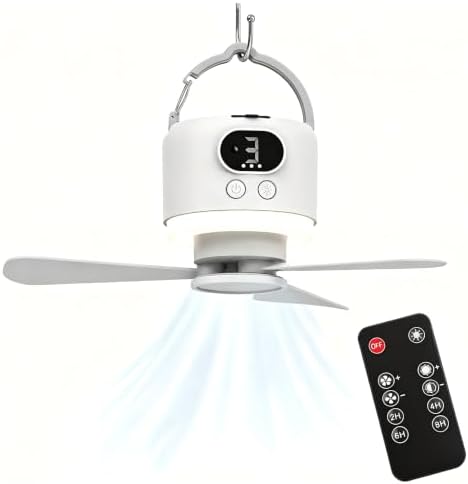
A hanging fan with an integrated light covers the widest area from the peak and handles both jobs from one battery. It is the option that keeps the most people content, at the cost of being a compromise on light output compared to a dedicated lantern.
One Person Who Wants Air, One Who Does Not
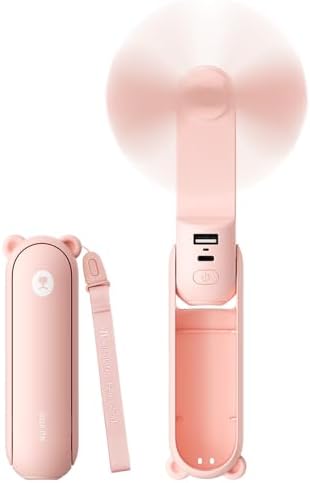
A clip on fan attached to a pole or a cot frame aims airflow at one sleeper and leaves the other alone. It is the cheapest way to end a recurring disagreement, and small enough that carrying two is not a burden.

Trips Where Everything Charges From One Bank
Fans that charge over USB fit the same routine as your headlamp and phone, and some double as a power bank in a pinch. Confirm whether the fan can run while charging, since that determines whether it is useful plugged into a pedestal during a hot afternoon.
Long Nights With No Recharging
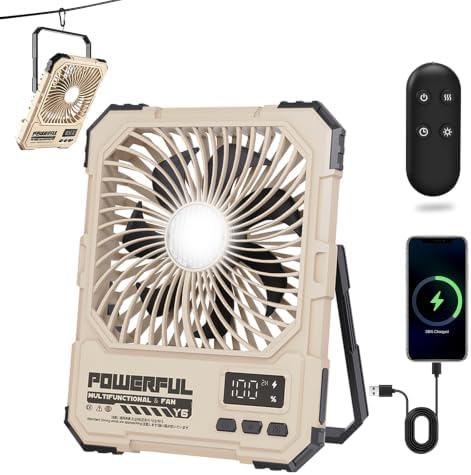
Where you are out for several nights with limited charging, the fans built around large capacity packs are the ones that reach morning repeatedly. Compare the published capacity and the runtime at low speed, and prefer a model that publishes both.
Comparing the Options
The table sums up the four styles against the things that decide a night’s sleep. Coverage and noise matter more here than raw airflow, because you are running these on low with your head a couple of feet away.
| Style | Coverage | Mounting | Best for |
|---|---|---|---|
| Hanging with light | Wide, from the tent peak | Hook or strap to a gear loft loop | Family tents and couples |
| Clip on | Narrow, aimed at one sleeper | Clamp to a pole or cot frame | Mixed preferences in one tent |
| USB multi use | Moderate | Usually stand or hook | Trips where everything charges together |
| Large capacity | Moderate to wide | Varies by model | Several nights without charging |
Noise, Vibration and Sleeping Next to It
A fan two feet from your head is a sleep product as much as a cooling one. Look for a low speed that is genuinely low rather than a token step down, and for a housing that does not buzz against whatever it hangs from. Owners mention rattle and hum far more often than they mention airflow, which tells you where the real failure mode is.
Vibration transfers through a hard mount, so a fan clipped to a tensioned pole often sounds worse than the same fan hanging on a strap. If yours buzzes, moving it to a softer mounting point usually solves it before you consider returning it.
Where a Tent Fan Stops Working
A small fan moves air across skin, which makes a warm night tolerable. It does not lower the temperature inside the tent, and on a still, humid night nothing personal sized will. That is the point where campers either move to a large fan pushing hot air out of a doorway, which our camping fan guide covers, or start looking at real cooling.
If you reach that second point, the constraints change completely, since compressor units need power and a way to duct hot exhaust out of the tent. Our guides to portable AC for tent camping and fitting a unit to a tent without an AC port cover both halves of that problem.
Frequently Asked Questions
Will a rechargeable tent fan actually last all night? On its lowest setting, most will. Check the published runtime for that specific speed rather than the headline number, and compare battery capacity between similar sized fans.
Hanging or clip on for a two person tent? Hanging if you both want airflow, clip on if one of you does not. A clip on aimed at a single sleeper is the simplest way to settle that difference.
Can I run the fan while it charges? Some models allow it and some do not, and the listing usually says. It matters if you plan to plug in at a campground pedestal during the hottest part of the day.
Are tent fans quiet enough to sleep next to? The good ones are on low. Buzz and rattle from the mounting point cause more complaints than motor noise, so try a softer hanging point before deciding a fan is too loud.
Does a fan help in a humid climate? Yes, because moving air across skin helps you shed heat even when the air temperature does not change. It has limits, but it is the cheapest and lightest thing that helps at all.
Do I need one for the kids’ side of the tent? If your tent has a divider, one fan rarely reaches both sides. Two small clip on fans usually work better than one larger fan trying to cover a divided cabin tent.
The Bottom Line
A tent fan earns its place by running quietly all night at head height, so shop on the low speed runtime, the battery capacity and the mounting hardware rather than on maximum airflow. Hanging for shared tents, clip on for mixed preferences, USB charging so it joins the same routine as everything else. Read next: our broader camping fan guide and, when airflow stops being enough, portable AC for tent camping.