Last updated: August 21, 2026
Cooler shopping goes wrong in a predictable way. Someone reads that a rotomolded cooler holds ice for a week, buys the biggest one, and then discovers that it weighs a serious amount empty, eats half the trunk, and still needs a bag of ice on Friday afternoon. The ice days number is real. It is just not the only number that decides whether a cooler suits your camping.
What actually matters is the trade between insulation and everything else: weight when loaded, how it fits behind the seats, whether one person can lift it onto a picnic table, and how it behaves after four hours in the sun. This guide works through that trade so you buy for the trips you take rather than for the trip in the marketing photograph.
This article contains affiliate links. If you buy through them, we may earn a commission at no extra cost to you. Learn more.
Quick Answer
Which cooler should you buy for camping?
- Weekend trips with ice available nearby: a standard hard cooler is plenty.
- Three days or more with no store: a rotomolded cooler with a full gasket earns its weight.
- Short trips and drinks only: a soft cooler saves space and carries easily.
- Whatever you buy, two smaller coolers beat one huge one for keeping food cold.
Bottom line: buy for ice days you actually need, then check that a loaded one still fits your car and that someone can lift it.
Ice Days Versus Carry Weight
Insulation costs weight and volume. Rotomolded coolers get their long ice retention from thick walls and a sealing gasket, which means the box is larger on the outside than a standard cooler of the same capacity and considerably heavier before you put anything in it. That is the core trade of the whole category.
For a two night trip near a store, the extra insulation buys you very little. For a five day stay where the nearest ice is an hour of driving away, it changes what you can eat. Work out which trip you take most often and buy for that, not for the outlier.
The Two Cooler System
The best single upgrade for most camping is not a better cooler, it is a second one. Keep food in one that stays shut most of the day and drinks in another that gets opened constantly. Every lid lift dumps cold air, and the drinks cooler is where nearly all the lid lifting happens.
It also solves the packing problem. Two mid sized coolers slide into a trunk in places one large box will not go, and each of them is light enough for one person to carry, which stops the cooler from becoming a two person job at every stop.
Sizing Without Guessing
Coolers are sold by quart capacity, and that number includes the ice. A useful planning approach is to think in layers of ice rather than in meals, because roughly a third to a half of the internal volume ends up as ice on a longer trip. Check the quart figure in the listing rather than judging from the photograph, since external size varies hugely for the same capacity.
If you are choosing between two sizes, the smaller one that stays properly full will usually keep food colder than the larger one that runs half empty. Air space is the enemy, and a mostly empty cooler burns ice fast.
What Actually Makes a Cooler Hold Ice
Four things: wall thickness, a lid gasket that seals, latches that pull the lid down onto that gasket, and how often the lid gets opened. Rotomolded construction with a freezer style gasket is what the premium brands are selling, and it does work, but only if the latches are actually done up.
Everything else is site management. A cooler in direct sun loses ice fast, a cooler standing on hot gravel loses it from below, and a cooler that gets opened every ten minutes for a soda loses it fastest of all. Shade, a towel or blanket over the top, and a separate drinks cooler are free improvements.
Leave the Drain Plug Alone
Meltwater keeps the remaining ice cold, so draining a cooler daily is usually the wrong instinct. Keep the plug shut unless food is floating or the contents are getting waterlogged, and let the cold water do its job.
Pre chilling matters more than most people realize. A cooler that has been sitting in a hot garage spends the first several hours of the trip cooling its own walls instead of your food. Bring it inside the night before and throw in a sacrificial bag of ice if the trip is a long one.
Cooler Types Compared
| Type | Ice retention | Weight and bulk | Best for |
|---|---|---|---|
| Standard hard cooler | Short, good for a weekend | Light, easy to carry | Campgrounds near a store |
| Rotomolded hard cooler | Longest, thick walls and gasket | Heavy even empty | Long stays and remote sites |
| Wheeled cooler | Similar to standard | Bulky, but rolls | Long carries from the parking pad |
| Soft cooler | Shortest, a day or so | Lightest, packs down | Drinks, lunches, day trips |
Coolers by Camping Situation
Best All Round Choice for Weekend Camping
A standard hard cooler in the mid capacity range covers the trip most people actually take. Coleman’s long running Xtreme line is built around exactly this case, with insulated walls and lid and a capacity that suits a family weekend without becoming a two person lift.

Best When the Nearest Ice Is an Hour Away
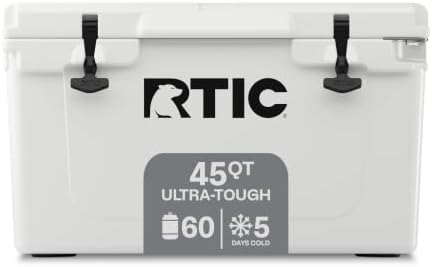
A rotomolded cooler with thick walls, a freezer style gasket and heavy latches is what long trips and hot weather call for. RTIC builds this style at a lower price than the premium brands, and for a site with no resupply the extra ice days are the whole point.
Best Second Cooler for Drinks
A soft cooler takes the lid opening abuse so your food cooler does not. It packs down when empty, carries on a shoulder strap from the car to the shade, and is the piece most likely to end up at the picnic table all day.

Best If You Carry Gear a Long Way From the Car
Walk in sites and campgrounds where the parking pad is a distance from the tent pad make a loaded cooler miserable. A wheeled model turns a two person carry into a one person pull, provided the wheels are large enough for gravel.

Best If You Have Power and Hate Buying Ice
A 12 volt electric cooler skips ice entirely, which is appealing right up until you look at the power draw. It only makes sense if you have a power station or a vehicle circuit you are willing to run, so check the numbers before committing.

Keeping Food Safe, Not Just Cold
Cold is the whole job of a cooler, and there is a published standard for what counts. USDA’s Food Safety and Inspection Service lists 40 degrees Fahrenheit or below as the safe holding temperature for cold perishable food, and describes the range between 40 and 140 degrees as the danger zone where bacteria multiply quickly.
FSIS also publishes the two hour rule for perishable food left out, shortened to one hour when the air temperature is above 90 degrees. On a hot afternoon at a site, that is the number that should govern how long the potato salad sits on the picnic table, not how full the cooler still looks.
Practical Habits That Follow From That
Keep raw meat sealed and at the bottom where the coldest water sits, keep an appliance thermometer in the food cooler so you are reading a number instead of guessing, and keep the cooler in shade. FSIS specifically advises packing coolers with plenty of ice or frozen gel packs and keeping them in the shade where possible.
Plan cooler space for leftovers before you cook. A pot of chili that feeds eight becomes a food safety question the moment there is no cold space left to put the remainder.
Frequently Asked Questions
What size cooler do I need for a family camping trip? Think in terms of two mid sized coolers rather than one large one, since roughly a third to a half of the internal volume ends up as ice. Check the quart capacity in the listing, and remember that a cooler which stays full holds cold better than a bigger one running half empty.
Is a rotomolded cooler worth it for camping? If your trips run several days without access to ice, yes. For weekend camping at a campground with a store, a standard hard cooler does the same job for far less weight and bulk. The premium is buying ice days, and ice days you do not need are wasted money and back strain.
Should I drain the water from a cooler? Usually not. Cold meltwater helps keep the remaining ice and food cold. Drain it only when food is floating or getting waterlogged, and keep items you want dry in sealed containers rather than relying on an empty cooler bottom.
How cold does a camping cooler need to be? FSIS lists 40 degrees Fahrenheit or below as the safe holding temperature for cold perishable food. An inexpensive appliance thermometer inside the food cooler tells you whether you are actually there rather than assuming it from the amount of ice left.
Why does my cooler lose ice so fast? Usually sun, air space and lid opening, in that order. Put it in shade, keep it as full as you can with ice filling the gaps, and run a separate drinks cooler so the food cooler is only opened at meal times.
Do I need to pre chill a cooler? It makes a real difference on longer trips. A cooler stored in a hot garage spends its first hours cooling its own walls. Bring it inside the night before, or load it with a sacrificial bag of ice a few hours ahead of packing.
The Bottom Line
Buy for the ice days your trips actually need, split food and drinks across two coolers, and keep the box in shade with the drain shut. That combination outperforms an expensive cooler used badly. Our guide to how long ice really lasts covers what to expect from each type, and the soft cooler comparison covers when a rotomolded box is more cooler than the trip needs.