Last updated: August 20, 2026
Camp coffee is the first thing that happens in the morning and the thing most likely to go badly. The site is cold, the stove needs lighting, someone is still in the tent, and the method you chose in the store now has to work with numb hands before anyone has had caffeine. That is the real test, not the flavor notes.
There are six ways car campers actually make coffee at a site, and they trade off in predictable ways: how many cups at once, how much water the cleanup costs, how much fiddling in the cold, and whether it needs the stove at all. Pick the one that matches your group size and your morning tolerance for fuss, and the flavor argument mostly sorts itself out.
This article contains affiliate links. If you buy through them, we may earn a commission at no extra cost to you. Learn more.
Quick Answer
What is the best camping coffee maker?
- Groups of four or more: a stovetop percolator, because it makes everyone’s coffee in one go.
- Two people who want good coffee: a pour over cone or an AeroPress style press.
- Cold mornings with minimal cleanup: an insulated French press that doubles as the carafe.
- Zero effort at all: instant coffee, which has stopped being an embarrassment.
Bottom line: choose by group size and cleanup water first, and by flavor second, because a method that annoys you at six in the morning gets left home.
The Six Methods, Sorted by Who They Suit
Percolators serve crowds, French presses serve two to four with rich results and messy grounds, pour over serves one or two cleanly, AeroPress style presses serve one fast, moka pots make small strong servings, and instant serves anyone who wants to be drinking within ninety seconds. Each has one clear best case.
What separates them at a campsite is not brew quality but logistics. Wet grounds need somewhere to go, and everything that needs rinsing competes for the same water jug. Consider the cleanup before the taste, because that is the part you repeat every single morning of the trip.
Percolator: The Group Answer
A stovetop percolator is the most practical choice for four or more people. It sits on a camp stove burner or a grate over the fire, makes a full pot at once, and keeps working with no filters, no power and nothing fragile. The trade is a bolder, sometimes bitter cup and a pot you have to watch.
Coleman, GSI Outdoors, Stanley and Farberware all sell camping percolators, in enamel coated steel, stainless or aluminum. Stainless is the easier one to live with outdoors because enamel chips when a pot gets knocked around in a tote, and the chip is where rust starts.
Getting a Percolator to Taste Right
The classic mistake is boiling it hard. Once the coffee starts cycling through the glass knob, drop the flame to the lowest setting that keeps it perking gently and give it a few minutes. A hard rolling boil is what makes percolator coffee taste burnt, not the method itself.
Use a coarse grind. Fine grounds slip through the basket and end up as sludge in the bottom of the cup, which is the other reliable complaint about percolators and the easiest one to fix.
French Press and Pour Over: The Two Person Sweet Spot
A French press makes rich coffee with no filter to buy, and insulated camp versions from Stanley and similar makers double as the carafe so the second cup is still hot. The cost is cleanup: a plunger full of wet grounds needs somewhere to go and a rinse that uses more water than any other method here.
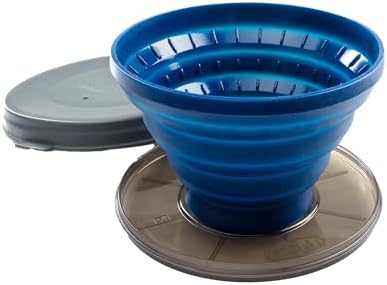
A pour over cone is the opposite trade. GSI Outdoors sells a collapsible Java Drip that folds nearly flat, and a cone plus a paper filter means the grounds lift out in one piece and the cleanup is a rinse. The catch is that you are making one or two cups at a time while standing there pouring.
Which One Suits Your Water Situation
If your water comes from a jug you filled at a spigot and carried back, the pour over wins on water use alone. If you are on a site with water at the pad and a place to dump greywater, the French press is the more comfortable choice on a cold morning because everything happens in one insulated vessel.
Either way the grounds are trash, not compost, unless the campground says otherwise. Pack them out with the rest of the kitchen waste rather than scattering them at the site.
Camping Coffee Methods Compared
| Method | Serves | Cleanup | Needs |
|---|---|---|---|
| Percolator | Four to twelve | Rinse basket and pot | Stove burner or fire grate |
| French press | Two to four | Messiest, wet grounds | Hot water only |
| Pour over cone | One or two per pour | Easiest, filter lifts out | Hot water and filters |
| AeroPress style press | One or two | Puck pops out, quick rinse | Hot water and filters |
| Moka pot | Two small strong cups | Rinse, dry fully | Steady low burner |
| Instant | Anyone | None | Hot water |
Camp Coffee Makers by Situation
Best for a Family Site Where Everyone Drinks Coffee
A stainless stovetop percolator makes the whole pot in one pass on a camp stove burner, needs no filters and survives being packed loose in a kitchen tote. For four or more drinkers it is the method that stops the morning turning into a queue.

Best When Pack Space Is Tight
A collapsible pour over drip cone folds close to flat and drops into a gap in the chuck box. GSI Outdoors builds the Java Drip around exactly this problem, and a cone plus paper filters is the lowest cleanup option in this list.
Best for Cold Mornings and Second Cups
An insulated camp French press keeps the rest of the pot hot while you drink the first cup, which matters more at a frosty site than any flavor difference. Look for a stainless double wall body rather than glass, since glass and totes do not mix.

Best for One Person Who Wants It Fast
An AeroPress style press brews a single cup in a couple of minutes and cleans up by popping the coffee puck straight into the trash. The Go version nests into its own mug, which makes it the compact solo answer.

Best Upgrade for People Who Already Care
A hand grinder means you carry whole beans and grind at the site, which is the single biggest flavor difference available to camp coffee. A manual burr grinder also gives you the coarse grind percolators and French presses actually want.

Fuel, Water and the Rest of the Morning
Every method except instant needs hot water, so your coffee plan is really a stove plan. Boiling for a group adds up over a weekend, and a windscreen on the burner cuts boil time noticeably on an exposed site. If coffee is the first thing you make, keep the pot and the kettle at the top of the tote.
Water quality shapes the result more than most people expect. If you are drawing from a spigot with heavy mineral taste or filling a jug that has sat in the sun, that flavor lands in the cup. A fresh fill for coffee water is a small habit that fixes a lot of complaints.
Do Not Forget a Mug That Survives
An insulated stainless mug with a lid keeps coffee drinkable for the twenty minutes it takes to get a camp moving, and the lid keeps pine needles and ash out. Enamel mugs look right in photographs and go cold in about four minutes.
If you are packing for a group, count mugs the way you count chairs. There is always one person who assumed a mug would appear, and camp coffee for six out of four mugs is a slow morning.
Frequently Asked Questions
What is the easiest way to make coffee while camping? Instant coffee, with hot water from whatever you already boiled. If you want brewed coffee with almost no cleanup, a pour over cone with paper filters is the next easiest, because the grounds lift out in the filter and the cone just needs a rinse.
Can you use a percolator on a camp stove? Yes, that is what stovetop percolators are built for. They work on a camp stove burner and on a grate over a fire. Keep the flame low once it starts perking, because a hard boil is what makes the coffee taste burnt.
What grind should I use for camp coffee? Coarse for a percolator and a French press, medium for pour over, fine for a moka pot. Fine grounds in a percolator or press slip past the filter and leave sludge in the cup, which is the most common camp coffee complaint.
How do I dispose of coffee grounds at a campsite? Pack them out with the rest of your kitchen trash unless the campground has a specific facility. Leave No Trace guidance at lnt.org covers food waste, and the specific rules for greywater and food scraps vary by land manager.
Is a moka pot good for camping? It works if you have a stove that holds a genuinely low, steady flame, which some camp stove burners do not. It makes small strong servings rather than mugs of coffee, so it suits a couple who like espresso style drinks more than a family site.
Do I need a special camping kettle? No. Any pot in your cookware set boils water fine. A kettle with a spout is genuinely easier for pour over, since a controlled pour over a cone is difficult from a wide pot rim.
The Bottom Line
Match the method to the group. A percolator for a site full of coffee drinkers, a pour over or press for two, an AeroPress style press for one, and instant when the morning is already complicated. Then check the rest of the kitchen supports it: our propane camp stove guide covers the burner that boils the water, and the camping cookware set guide covers the pot and kettle that go with it.