
Last updated: August 20, 2026
Rotomolded coolers get all the attention, and for a five day trip to a site with no store they deserve it. But a lot of camping is not that trip. A lot of camping is two nights at a campground with a store at the entrance, and hauling a heavy insulated box for that is a solution looking for a problem.
Soft coolers cover the gap. They weigh a fraction of a hard cooler, they collapse when empty so the trip home takes less space than the trip out, and they carry on a shoulder instead of between two people. The question is where the line sits, and it is more about how often the lid opens than how many hours the ice survives.
This article contains affiliate links. If you buy through them, we may earn a commission at no extra cost to you. Learn more.
Quick Answer
When is a soft cooler enough for camping?
- One or two nights, or any trip where you can buy ice nearby.
- As the drinks cooler alongside a hard cooler that stays shut.
- Day trips from the site, since it carries on a shoulder or a back.
- Not as the only cooler for several days of perishable food in hot weather.
Bottom line: a soft cooler is the right tool for short trips and for drinks, and a poor substitute for a hard cooler holding several days of food.
What You Give Up and What You Get Back
A soft cooler holds cold for a shorter time than a hard one, because the insulation is thinner and the closure is a zipper rather than a gasket and latches. In exchange you get roughly a third of the weight, a bag that folds flat when empty, and something one person can carry with a full load in it.
For a weekend at a campground that trade is usually favorable. For a long stay in summer heat it is not, because no amount of packing technique compensates for thin walls when the days are hot and the ice is finite.
What Separates a Good Soft Cooler From a Beach Bag
Three things: insulation thickness, closure quality and whether the body is leak resistant. Premium soft coolers use thick closed cell foam and a heavy waterproof zipper, which is why they hold cold noticeably longer than a thin lined tote. That zipper is also the part that fails first, so it is worth paying attention to.
A welded, waterproof shell matters at a campsite because a bag of melted ice water inside a car is a memorable mistake. Look for a lining that is genuinely sealed rather than stitched, and check whether the maker describes the bag as leak resistant rather than making a stronger claim.
Zippers Need Care
Heavy waterproof zippers are stiff by design, and forcing one that has grit in the teeth is how they break. Most makers of this style supply or recommend a zipper lubricant, and using it is the difference between a bag that lasts years and one that fails in the second season.
Some models use a roll top or a magnetic closure instead. Roll tops are more forgiving of sand and easier to open one handed, at the cost of a slightly less complete seal.
Soft, Hard and Rotomolded Compared
| Type | Cold hold | Carry | Best role at camp |
|---|---|---|---|
| Soft cooler bag | Shortest, hours to a day | Shoulder strap, one person | Drinks, lunches, day trips |
| Soft backpack cooler | Similar to a soft bag | Both hands free | Walk in sites, hikes from camp |
| Standard hard cooler | Good for a weekend | Two handles, awkward loaded | Main food storage |
| Rotomolded hard cooler | Longest, thick walls and gasket | Heavy, often two people | Long trips with no resupply |
Where Each One Wins at a Real Campsite
The most common good setup is one of each. The hard cooler holds the food and stays shut except at meal times, and the soft cooler holds drinks and takes all the opening. That split keeps food genuinely cold without anybody having to police the cooler lid.
The soft cooler then does double duty. It is the bag that goes to the lake for the afternoon, the one that carries lunch on a drive, and the one that comes home empty and folded rather than taking up the same space as on the way out.
When Rotomolded Is Genuinely Overkill
If your camping is weekends at developed campgrounds with a camp store, you are paying for ice days you will never use. The weight cost is real: a large rotomolded cooler loaded is heavy enough to be a two person lift, and that changes how the car gets packed and unpacked every trip.
The reverse is also true, and worth being honest about. If you camp for four or five days at a time in summer heat with no resupply, a soft cooler will not carry that trip no matter how well you pack it.
Soft Coolers by Situation
Best General Purpose Soft Cooler
A well insulated soft pack with a heavy waterproof zipper and a shoulder strap covers drinks duty at the site and lunch duty on the road. RTIC builds this style with thick foam walls and a sealed body, which is the specification that separates it from a supermarket cool bag.

Best for Walk In Sites and Trips From Camp
A backpack cooler frees both hands, which matters if you are also carrying a chair, a kid or firewood. It is the version that gets used away from the site rather than at it, and it packs into the trunk more easily than a rigid box of the same capacity.
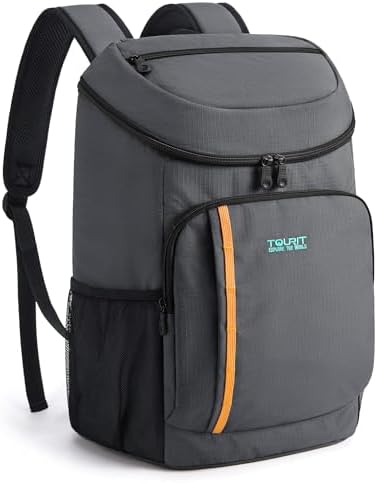
Best Lightweight Option for Short Trips
A simple insulated tote with a lighter lining is enough for an overnight or for keeping lunch cool through a drive. It is not the bag for a long hot weekend, but it collapses to almost nothing and costs very little pack space.

Getting the Most From a Soft Cooler
Fill it. Air space is the biggest enemy of a thin walled cooler, so pack it full and use ice or frozen packs to fill the gaps rather than leaving them empty. Frozen gel packs generally suit a soft cooler better than loose ice, because there is no meltwater sloshing against a zipper.
Keep it out of the sun and off hot ground, ideally under the picnic table or inside a shaded vestibule. A soft cooler in direct sun on gravel is working against the surface it sits on as well as the air around it.
Food Safety Applies Regardless of the Bag
USDA’s Food Safety and Inspection Service lists 40 degrees Fahrenheit or below as the safe holding temperature for cold perishable food, and describes 40 to 140 degrees as the danger zone. FSIS also advises packing coolers with plenty of ice or frozen gel packs and keeping them in the shade where possible.
Because a soft cooler holds cold for a shorter time, put perishable food in the hard cooler and keep the soft one for drinks and sealed items. That single habit removes most of the food safety risk from using a lighter bag.
Frequently Asked Questions
How long does a soft cooler keep ice? Far less time than a hard cooler, and the exact figure depends on the model, how full it is, the outside temperature and how often you open it. Treat published ice retention figures as best case results from a full, pre chilled bag left closed in shade.
Can a soft cooler replace a hard cooler for camping? For one or two nights with ice available nearby, yes. For several days of perishable food in warm weather, no. The usual answer is to own both and let the soft one take the drinks so the hard one stays shut.
Are expensive soft coolers worth it? The difference is real: thick closed cell foam and a heavy waterproof zipper hold cold much longer than a thin lined tote. Whether it is worth it depends on whether you need a day of cold or a few hours of cold.
Ice or frozen gel packs in a soft cooler? Gel packs usually suit soft coolers better, since there is no meltwater pooling against a zipper and they are easier to arrange around the contents. Loose ice is still fine if the bag is genuinely sealed.
How do I stop a soft cooler smelling? Empty and dry it fully after every trip, with the zipper open, and wipe the inside. Most odor comes from a bag stored damp and zipped shut, not from what was in it.
How do I look after the waterproof zipper? Keep grit out of the teeth, rinse after sandy trips, and apply the zipper lubricant the maker recommends. Forcing a stiff, dirty waterproof zipper is the most common way these bags fail.
The Bottom Line
A soft cooler is not a cheap version of a hard cooler, it is a different tool. Use it for drinks, short trips and anything you carry away from the site, and let a hard cooler hold the food that has to stay properly cold. Our main camping cooler guide covers the hard cooler side of that pairing, and how to pack a cooler covers getting the most from whichever one you take.