Last updated: August 20, 2026
Camping with a toddler is not a smaller version of camping with a school age kid. A four year old can be told to stay away from the fire ring and mostly will. A two year old walks toward anything glowing, naps when the tent is at its hottest, and is awake at five with the birds. The trip works or fails on those three facts.
Almost everything that goes wrong on a first toddler trip is a sleep problem, a temperature problem or a boundary problem. This guide covers what to change about the site layout and the gear so all three are handled before you arrive.
This article contains affiliate links. If you buy through them, we may earn a commission at no extra cost to you. Learn more.
Quick Answer
What do you actually need for camping with toddlers?
- A shaded, ventilated tent big enough that the sleeping area is not also the play area, plus a dark corner for naps.
- An insulated sleeping surface, because toddlers roll off pads and lose heat to the ground faster than adults do.
- A physical boundary around the fire ring and a defined seat that is the child’s own.
- A shade structure for the middle of the day, since a tent in full sun becomes unusable exactly at nap time.
Bottom line: plan sleep, shade and a fire boundary before you plan anything else, and keep the first trip short.
Pick the Site Before You Pick the Gear
Site choice does more for a toddler trip than any purchase. Look for a flat, non sloping tent pad, natural afternoon shade, distance from the loop road and from water, and a bathhouse close enough to reach quickly. A site that is beautiful and steep, or beautiful and directly on a lake edge, makes every hour harder.
Book a shorter trip than you think you want for the first outing. One night close to home lets you discover what your particular child needs without being three hours from a store, and it makes the second trip far more relaxed.
Distance to Water and Road Matters Most
Toddlers move faster than adults expect and they move toward water. Sites directly adjacent to a lake, a creek or a busy loop road remove your margin for a two minute lapse in attention. A site set back with a clear sight line to where the child can wander is worth more than a view.
Sleep: The Part That Decides the Trip
Toddler sleep at camp fails for three reasons: the ground is cold, the tent is bright, and the space is unfamiliar. Fix all three. Insulation under the child matters more than blankets over them, blackout fabric or a shaded pitch buys you a later wake up, and a familiar sleep object does more than any gear you can buy.
Sleep safety questions for infants and young toddlers, including what surface and what bedding are appropriate at a given age, belong with your pediatrician rather than a camping guide. Bring what your child already sleeps safely on at home rather than improvising a new arrangement in a tent.
A Sleeping Surface That Stays Under Them
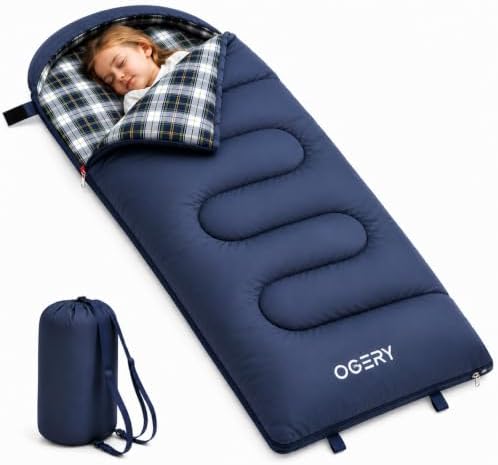
A wide, self inflating pad or a small camp mattress placed inside the tent gives an insulating layer that a toddler cannot easily roll off, and a wall of adult pads on either side helps. Sleeping bags sized for adults leave a lot of cold air around a small body, so a bag or quilt scaled to the child works better.
Shade, Heat and the Middle of the Day
A tent in direct sun becomes the hottest place on the site by late morning, which is exactly when a nap is due. A canopy or tarp pitched over or beside the tent keeps the interior usable and gives everyone a shaded base for meals and quiet play. This is the single most useful large purchase for camping with small children.
Airflow matters as much as shade. Open every vent and door mesh you have, orient the tent so the prevailing breeze crosses it, and accept that a tent with a fully closed rain fly on a hot day will not cool down no matter how much shade it has.
A Shade Structure You Can Pitch Alone
Whatever you buy has to go up while somebody is watching a toddler, which usually means one adult pitching alone. Straight leg canopies with a pull out frame are the practical answer for most families, and a tarp with adjustable poles is the lighter, cheaper alternative. Our comparison of camp shade options covers the trade in detail.

Fire, Boundaries and a Chair of Their Own
The fire ring needs a visible boundary that a toddler understands, because verbal rules alone do not survive a distraction. Some families use camp chairs arranged in an arc, others a line of gear or a low fence. What matters is that the edge is something the child can see rather than a rule they have to remember.
Giving a toddler their own chair works better than most parents expect. It creates a defined place to be during cooking and around the fire, which is when the risk is highest and adult attention is lowest. Our kids camping chair guide covers sizes and frames that suit small children.

Fire Rules Come From the Land Manager
Whether an open fire is permitted at all, and whether a propane fire pit is allowed when wood fires are restricted, is decided locally and can change day to day. Check the current restriction with the land manager or the county fire authority for the site you are visiting rather than relying on what was allowed last season.
Gear That Earns Its Space, and Gear That Does Not
Toddler camping tempts you into bringing the whole nursery. Most of it goes unused. The items that consistently earn their space are the ones that solve containment, temperature or cleanup, and the ones that consistently do not are the ones that duplicate something the campground already provides.
| Item | Why it earns space | Skip it if | Where it lives |
|---|---|---|---|
| Shade canopy | Makes midday and naps possible | Site has deep natural shade | Roof or long side of the car |
| Kid sized chair | Defined seat away from the fire | Child still in a carrier | Beside the adult chairs |
| Insulating pad | Blocks ground chill under a roller | Using a cot or air bed already | Sleep duffel |
| Wash and wipe kit | Cleanup without a bathhouse trip | Bathhouse is very close | Hanging organizer |
| Familiar sleep object | Unfamiliar tent becomes tolerable | Never, always bring it | Inside the tent, not the car |
Washing, Changing and Muddy Hands
Toddlers generate cleanup constantly, and walking to a bathhouse for every incident is what wears parents down. A hand washing setup at the site plus wipes handles most of it, and a small basin doubles as a foot wash before anyone gets into the tent. Keeping the tent clean is mostly about the last two feet before the door.
Diaper changes and infant hygiene at a site have their own logistics, from where the changing surface goes to how waste gets packed out. Our guide to camp hygiene with a baby covers that setup, and Leave No Trace guidance at lnt.org plus the campground’s own rules determine what can be disposed of on site.

Frequently Asked Questions
What age can you start camping with a toddler? Families camp with children at a wide range of ages, and the practical limits are yours rather than a fixed number. Start with one night close to home, and take any health or sleep safety questions to your pediatrician first.
How do I keep a toddler warm at night while camping? Insulate underneath first. A pad or mattress under the child blocks ground chill that blankets on top cannot, and a sleeping bag or quilt scaled to a small body traps less cold air than an adult bag does.
What size tent do I need for camping with toddlers? Bigger than the sleeping math suggests. You want the sleeping area separate from where gear and play happen, so most families size up at least two capacity places. See our family camping tent guide for real world room counts.
How do I keep a toddler away from the campfire? Build a visible boundary rather than relying on a verbal rule. Chairs arranged in an arc, a line of gear or a low barrier gives an edge the child can see, and a chair of their own gives them a place to be during cooking.
Do toddlers nap while camping? Often only if the tent is shaded and ventilated. A canopy or tarp over the tent keeps the interior usable at midday, which is the difference between a nap and a very long afternoon.
The Bottom Line
Camping with toddlers comes down to three preparations: a sleeping setup that insulates and darkens, shade that keeps the tent usable through the middle of the day, and a visible boundary around the fire with a chair the child owns. Choose a flat site away from water and the loop road, keep the first trip to one night, and take sleep safety and health questions to your pediatrician rather than to a gear list. Read also our kids camping chair guide and camp hygiene with a baby for the two setups that save the most parental energy.