
Last updated: August 20, 2026
Every cold night in a tent produces the same conversation the next morning. Somebody says their bag is rated well below the temperature it actually got, and somebody else says they were fine in a lighter bag. Both are telling the truth, because the number printed on a sleeping bag is not a promise about how warm you will be. It is one input among several, and often it has not been tested at all.
Understanding what those ratings mean, and which ones are worth trusting, is the difference between buying a bag that works in October and buying a bag that looks impressive on paper. This guide covers the rating standard, the specs that matter for cold weather car camping, and the parts of the sleep system that decide the night more than the bag does.
This article contains affiliate links. If you buy through them, we may earn a commission at no extra cost to you. Learn more.
Quick Answer
How do you choose a cold weather sleeping bag?
- Look for a comfort rating tested to ISO 23537-1, not a single unexplained number on the listing.
- A hood and a draft collar do more for cold nights than a slightly lower rating on a hoodless bag.
- Insulation under your body is compressed flat and does nothing, so the pad R value is half the answer.
- Buy for the coldest night you actually camp in, then vent or add a liner to adjust.
Bottom line: comfort rating plus hood plus draft collar plus an insulated pad. Missing any one of those makes the others matter less.
What Sleeping Bag Temperature Ratings Actually Mean
The international standard for sleeping bag ratings is ISO 23537-1, which replaced the older European EN 13537. A bag is tested on a heated manikin and the results are published as separate figures: a comfort rating, a lower limit, and an extreme rating. They describe different situations, and only two of them describe sleeping.
The comfort rating is the temperature at which a standard sleeper can rest comfortably in a relaxed position. The lower limit is where a standard sleeper can get through the night curled up. The extreme figure is a survival number associated with a strong sensation of cold and a risk of hypothermia, and it should never be used as a shopping number.
Why Many Camping Bags Have No Real Rating
Testing to the standard costs money, and plenty of mainstream car camping bags skip it and print a single number instead. That number is not comparable between brands and it is usually closer to a limit or extreme figure than to a comfort one. If a listing publishes a comfort rating and names the standard, that tells you something. If it prints one bare number, treat it as optimistic.
The Features That Do the Work in the Cold
Three construction details separate a real cold weather bag from a warm three season one. A shaped hood that cinches around the head, because an uncovered head loses heat fast. A draft collar across the shoulders, which stops warm air pumping out of the top every time you move. And a draft tube behind the zipper, which closes the cold line along the full length of the bag.
Baffle construction matters too. In a cold rated bag, the insulation is held in place by internal baffles rather than sewn straight through, because a sewn through seam is a line with no insulation at all. Listings describe this, and it is one of the clearer signals that a bag was designed for cold rather than marketed for it.
Shape and Fill for Cold Weather Car Camping
Cold is the one case where a mummy or semi rectangular cut earns its restriction. Less interior air means less air to heat and fewer gaps to seal, and the hood only works on a shaped bag. If you normally sleep in a big rectangular bag, this is the trip to accept a snugger fit.
On fill, synthetic remains the sensible car camping choice because winter tents run damp with condensation and synthetic keeps insulating when it picks up moisture. Down is warmer for its weight and packs smaller, and it is worth the care it demands if you already own it, but bulk is not a constraint when the bag rides in a trunk.
Cold Weather Bags by Situation
Cold Nights, Car Camping Comfort
A low rated rectangular or semi rectangular bag keeps some room to move while adding the insulation for genuinely cold nights. Compare the published rating type between models rather than the headline number, and check whether the listing mentions a draft collar and a hood.

When the Nights Get Serious
A mummy bag with a shaped hood, a draft collar, and baffled construction is what the shape is for. This is the bag for late fall and winter trips where the temperature drops well below freezing overnight and staying sealed matters more than rolling over freely.

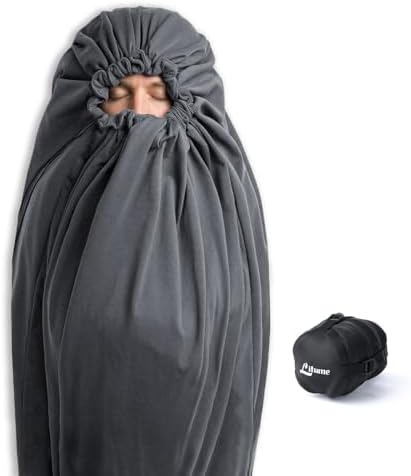
Stretching a Bag You Already Own
A liner adds a measurable amount of warmth for very little bulk and cost, and it keeps the bag clean at the same time. Manufacturers publish an approximate temperature gain for their liners, and that figure is worth checking rather than assuming, since it varies a lot between fleece, silk, and synthetic liners.
The Half of the System People Forget
An insulated pad with a manufacturer stated R value is not optional in the cold. It is not an accessory to the bag, it is the other half of the same system, and no bag rating compensates for a thin pad on frozen ground. Compare R values, which manufacturers publish, and go higher than you think for winter.

Reading the Numbers Side by Side
| Rating or spec | What it describes | Use it for | Trap |
|---|---|---|---|
| Comfort rating | Relaxed sleep for a standard sleeper | The number to shop on | Not published by every brand |
| Lower limit | Curled up, through the night | Rough guide for warm sleepers | Often quoted as the headline number |
| Extreme rating | Survival, risk of hypothermia | Nothing you should shop on | Looks impressive on a listing |
| Pad R value | Resistance to heat loss into the ground | Matching the pad to the season | Ignored when comparing bags |
What Actually Decides Whether You Sleep Warm
The bag is one of five variables. The others are the pad under you, what you are wearing, whether you went to bed already cold, and how well the tent handles condensation. People routinely blame a bag for a night that was really caused by a thin pad or by going to bed after standing around outside getting chilled.
The practical fixes are unglamorous. Change into dry sleeping clothes rather than wearing what you wore all day, eat something before bed, put a hat on, and get into the bag warm rather than expecting the bag to warm you up. Our guide to staying warm in a tent covers the whole routine.
Condensation Is Part of the Problem
On a cold night, moisture from breathing condenses on the inside of the fly and can drip onto a bag pressed against the wall. Synthetic fill handles that better than down, but the real fix is keeping the bag off the tent walls and leaving the vents open even when it feels counterintuitive.
Frequently Asked Questions
What temperature rating do I need for winter camping? Buy for the coldest night you actually expect rather than the average, and shop on a published comfort rating rather than a bare headline number. Pair it with a high R value insulated pad, because a cold rated bag on a thin pad still sleeps cold.
What is the difference between comfort and limit ratings? Under ISO 23537-1, comfort is the temperature at which a standard sleeper rests comfortably in a relaxed position, and the lower limit is where a standard sleeper gets through the night curled up. The extreme figure is a survival rating, not a sleeping one.
Are sleeping bag temperature ratings accurate? They are meaningful when tested to ISO 23537-1 and stated as comfort or limit figures. A single unattributed number on a listing is not comparable between brands and tends to be optimistic.
Down or synthetic for cold weather camping? Synthetic is the more forgiving choice for car camping because winter tents run damp and synthetic keeps insulating when it picks up moisture. Down is warmer for its weight and worth the extra care if packed size matters to you.
Does a sleeping bag liner really add warmth? Yes, though how much depends on the liner material. Manufacturers publish an approximate temperature gain for their liners, so check that figure on the specific product rather than assuming a general number.
Why am I cold even in a bag rated below the temperature? Usually the pad. Insulation under your body is compressed flat and contributes almost nothing, so ground chill comes straight through. See our sleeping pad R value guide for how to match the pad to the season.
The Bottom Line
A cold weather sleeping bag is worth buying on published specs rather than on a headline number. Look for a comfort rating tested to ISO 23537-1, a shaped hood, a draft collar across the shoulders, and a draft tube behind the zipper, then treat the insulated pad underneath as the other half of the same purchase rather than an accessory. Add dry sleeping clothes and a warm body going into the bag and most cold nights become uneventful. For the ground side of the equation, read our sleeping pad R value guide, and for the whole cold weather routine, see cold weather camping.