
Last updated: August 20, 2026
A hand washing station sounds like the kind of thing you add to a campsite once you have run out of other things to buy. In practice it is one of the few items that changes behavior. When washing hands takes one movement instead of finding a jug, unscrewing a cap and asking somebody to pour, people actually do it before handling food.
The category splits neatly into two: a jug with a spigot that you tip water out of, and a pump station that gives you hands-free flow. Both work. Which one belongs at your site depends mostly on whether children are involved and how far the camp kitchen sits from the water tap.
This article contains affiliate links. If you buy through them, we may earn a commission at no extra cost to you. Learn more.
Quick Answer
Foot pump or jug for a camp hand washing station?
- A jug with a spigot is cheapest, doubles as drinking water storage, and needs a free hand to hold under it.
- A foot pump station gives hands-free flow, which is what makes children use it without being asked.
- Whichever you pick, mount it at the kitchen end of the site and catch the runoff in a basin.
- Soap on a lanyard and a hanging towel are what turn a container into a station.
Bottom line: buy for hands-free flow if you camp with children, otherwise a spigot jug does the job.
What a Hand Washing Station Needs to Have
Four elements: water you can start and stop without a clean hand, soap that stays put, somewhere for the used water to go, and a towel that is not on the ground. Miss any one of those and the setup becomes a chore, which is the reason most improvised versions fall out of use by the second day.
Everything else is refinement. A stand that puts the tap at a comfortable height, a basin that catches greywater for controlled disposal, and a hook for the towel all make the difference between something people walk past and something they use before every meal.
Spigot Jugs: Simple, Cheap and Dual Purpose
A rigid water container with a push-button or lever spigot is the default. Set it on the edge of the table with the spigot overhanging, put a basin underneath, and you have a working station. The same jug carries your drinking and cooking water, so it earns its space twice over.
Reliance and Camco both sell rigid containers in this style, with spigots that either push open or hold open with a lever. Read that detail carefully, because a spigot that has to be held open needs a hand you may not have free while washing the other one.
The upgrade that costs almost nothing
Swap a push-button spigot for a lever type that latches open, or mount the jug on its side in a crate so it sits at the right height. Neither costs much and both remove the awkwardness that stops people using it.
Pump Stations: Hands-Free and Worth It With Children
A foot pump station keeps the water in a reservoir and delivers it through a tap when you press a pedal. Nothing is touched with a soapy hand, the flow stops when your foot lifts, and water use drops because nobody leaves it running. That combination is why these are standard at events and worksites.
They are bulkier and they have moving parts, so there is more to go wrong than with a jug. For a family with young children, the trade is usually worth it: hands-free flow is the difference between hands being washed before dinner and hands being wiped on shorts.
Electric versions and where they fit
Battery pump versions exist, powered over USB, and they work well as long as somebody keeps them charged. They are lighter than a foot pump station and add one more thing to the charging queue at a site with no hookup, so weigh that against how often you camp.
Hand Washing Stations by Situation
Best hands-free setup for families
A dedicated portable hand washing station with a foot pump, a soap dispenser and a waste water catch is the version that gets used without prompting. It takes up real space in the car, so it suits campers who go often rather than once a season.

Best all-round choice for most sites
A rigid water container with a lever spigot, set on the table edge over a basin, covers washing, cooking and drinking water from one item. Check the spigot type before ordering, since a push-button one needs a free hand.

Best for catching the greywater
A collapsible basin under the tap gives you somewhere to collect used water so it can go where the campground says it should, rather than soaking into the pitch beside the picnic table.

The soap that belongs at camp
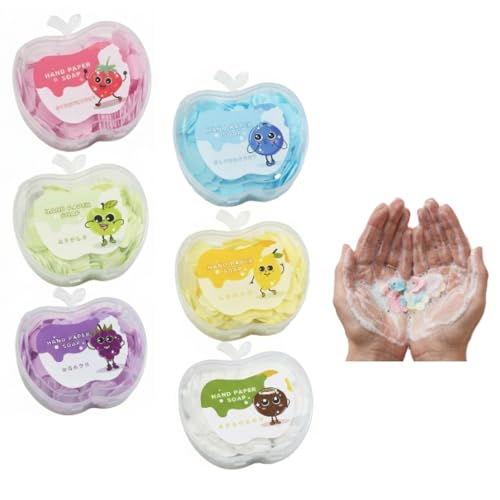
A concentrated soap sold as biodegradable goes further than a bottle of hand wash from home and is the right choice for water that ends up in soil. Keep it on a lanyard or in a pouch so it is not left on the table in the rain.
Comparing the Setups
| Setup | Hands-free? | Doubles as | Suits |
|---|---|---|---|
| Spigot jug on a table | Only with a latching lever | Drinking and cooking water | Most car campers |
| Foot pump station | Yes | Nothing else | Families with young children |
| USB pump and bucket | Yes, while charged | Rinsing gear and feet | Compact setups |
| Gravity bag with tap | Depends on the tap | Camp shower on warm days | Minimal kit, short trips |
Where to Put It and Why It Matters
Site the station between the toilet area and the camp kitchen, close enough to the table that nobody has to think about it. Hand washing is the step that connects the sanitation end of a campsite to the food end, and the walk between them is what determines whether it happens.
USDA and its Food Safety and Inspection Service publish handwashing guidance for anyone preparing food, and it is worth reading once rather than half remembering. Follow their method and timing rather than a rule of thumb, particularly when raw meat is involved at the camp kitchen.
Greywater has rules too
Used wash water is greywater, and where it goes is set by the land manager. Many campgrounds provide a utility sink or a designated drain, and Leave No Trace keeps general guidance at lnt.org. Catch it in a basin rather than letting it soak in beside the table.
Frequently Asked Questions
Do I really need a hand washing station for camping? You need somewhere convenient to wash hands before food, which a station makes easy. A jug with a spigot achieves the same thing for less money, as long as somebody does not have to hold it open with a clean hand.
Is hand sanitizer enough at camp? It is a useful supplement and not a replacement, particularly when hands are visibly dirty or when raw food has been handled. Washing with soap and water is what USDA guidance describes for food preparation.
How much water does a hand washing station use? Less than most people expect with a pump, because the flow stops between wetting and rinsing. A jug left running uses several times more, which is the main argument for a hands-free tap.
Can I use dish soap for hands? You can, though a concentrated camp soap is gentler and better suited to water going into soil. Keep the same bottle for hands, dishes and a quick body wash to save carrying three products.
Where do I dump the dirty water? Into a designated drain or utility sink where the campground provides one. Where it does not, follow the land manager’s rules and Leave No Trace guidance, and keep it well away from any water source.
What about washing hands in freezing weather? Keep the container in the vehicle overnight so it does not freeze, and warm a little water on the stove to mix in. A pump station left full outside in a hard frost is a repair job waiting to happen.
The Bottom Line
A camp hand washing station is worth building because it changes what people do, not because the hardware is clever. Choose a foot pump if children are involved and hands-free flow matters, or a spigot jug if you want one container doing several jobs. Add a basin to catch the greywater, soap on a lanyard and a towel on a hook. Extend the same setup to dishes with our camp sink and dish setup guide, cover the days you cannot wash properly with camping wipes and dry shampoo, and get the water supply right with our camping water jug guide.