Last updated: August 20, 2026
Dishes are the job nobody plans for and everybody ends up doing in the dark. Dinner finishes, the light goes, and suddenly there is a stack of greasy cast iron, a half inch of cold water in a plastic tub, and a debate about where that water is allowed to go. A camp sink setup is not really about the sink. It is about draining, carrying and disposing of dirty water without turning the site into a swamp.
Get the flow right and washing up takes ten minutes. Get it wrong and you are hauling a sloshing tub across a campground with a headlamp in your teeth. This guide covers the setups that work at a picnic table, what to look for in a basin or a sink table, and how to handle the greywater question without inventing rules.
This article contains affiliate links. If you buy through them, we may earn a commission at no extra cost to you. Learn more.
Quick Answer
What do you need for a camp sink and dish setup?
- Two basins, one to wash and one to rinse, so you are not changing water constantly.
- A water jug with a spigot mounted higher than the basin, so gravity does the work.
- A drain plug or a pour spout on the basin, so you are not lifting a full tub.
- A plan for the dirty water before you start, based on the campground rules.
Bottom line: elevation and drainage decide whether a camp sink is useful, and where the greywater goes is a site rule you check, not a habit you bring.
The Two Basin System Still Wins
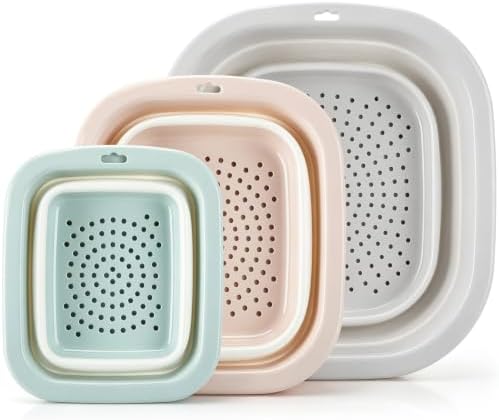
Two collapsible basins, one soapy and one for rinsing, is the setup that scales from a couple to a family and packs down to almost nothing. It uses far less water than washing under running water, it keeps rinse water clean enough to reuse for a second round, and it works on any picnic table without buying furniture.
A third basin for a sanitizing rinse is common in group and scout setups. For a weekend with a family it is usually one basin too many, but if you are cooking for a large group or handling raw meat, the extra step is worth the space it takes.
Why Elevation Matters More Than the Sink
The single upgrade that makes camp dishwashing pleasant is getting water to come out of a spigot at working height instead of being poured from a jug you hold. A water container set on the picnic table with the tap over the edge, basin underneath, gives you hands free rinsing and cuts the work in half.
That is also the reason a dedicated camp sink table sells at all. It is not the basin that helps, it is the frame that puts a jug above the basin and the basin at counter height so you are not stooping over a bench for twenty minutes.
Getting the Drain Right
A basin with a drain plug and a hose stub lets the dirty water run into a bucket you carry once, rather than being lifted full and sloshed across the site. On a sink table, check whether the drain hose actually reaches a bucket standing on the ground, because some are short enough to be decorative.
If your basin has no drain, choose one with a stiff rim and a pour corner. Flexible silicone basins are excellent for packing and terrible for pouring, because the sides fold in the moment you tip a full one.
Where the Dirty Water Goes
Greywater disposal is a site rule, not a personal choice. Developed campgrounds usually have a utility sink, a dump station or a designated drain, and the campground host will tell you which. On dispersed sites the rules come from the land manager, whether that is the National Park Service, US Forest Service, BLM or a state park.
Leave No Trace guidance at lnt.org is the reference to follow for washing away from water sources and for handling food scraps, and the specific distances and methods differ by land manager. Check the rules for the site you are visiting rather than applying something you read about a different forest.
Strain the Solids First
Whatever the local rule, food scraps are trash. Pour the wash water through a mesh strainer or a fine sieve, tip the solids into the trash bag, and you have removed both the part that attracts animals and the part that clogs whatever drain you are allowed to use.
Use the smallest amount of soap that gets dishes clean, and pick a soap that suits outdoor use. Less soap in the water means fewer questions about where it can go and less rinse water needed to get it off the plates.
Camp Sink Setups Compared
| Setup | Pack size | Best for | Watch out for |
|---|---|---|---|
| Two collapsible basins | Nearly flat | Most car campers | Soft rims fold when full |
| Hard plastic tubs | Bulky, nest together | Family sites, doubling as gear tubs | Take real trunk space |
| Camp sink table with jug | Folds to a slim case | Long stays and big groups | Check the drain hose length |
| Kitchen table with sink cutout | Case sized | Sites with no picnic table | Heavier, one more thing to level |
What to Buy by Situation
Best Starting Point for a Picnic Table Site
A pair of collapsible basins with stiff rims covers wash and rinse, packs flat in a tote and costs almost no space. Look for a solid plastic rim rather than fully soft sides, because that rim is what lets you carry one full without wearing it.
Best When There Is No Table at All
A folding camp kitchen table with a sink insert gives you a work surface, a place to hang a jug and a basin at standing height in one unit. On dispersed sites and walk in sites with no furniture, this is the piece that makes cooking and cleaning possible.

The Piece That Makes It All Work
A rigid water container with a proper spigot, set on the table edge, turns dishwashing from a two person pouring job into something one person does. Look for a tap that locks off, since a jug that drips overnight empties itself.

Somewhere for the Clean Ones to Go
A collapsible dish rack keeps clean plates off a wet picnic table and out of the dirt while they drip. It is the least glamorous item in the kitchen tote and the one that stops you rewashing half the stack.

Keeping the Dish Station Out of the Way
Set the wash station downwind of the sleeping area and away from the cooking surface, on the same side as the trash. That keeps food smells, wet ground and the traffic of people carrying dishes in one corner of the site instead of running through the middle of it.
Do the dishes before it gets dark if you can. It is not a rule, just the single change that makes camp cleanup take a third of the time, and it keeps you from running a lantern and a water jug across a site during quiet hours.
Drying and Packing Away
Towel dry rather than leaving things to air dry overnight, because morning condensation puts the water straight back on. Cast iron in particular needs to be dry before it goes in a tote, and a damp nesting cookware set rattles into a rusty mess by the end of the season.
Store the basins with the mesh strainer, sponge and soap inside them so the dish kit stays together. A dish kit that lives in three different bins is a dish kit that is missing something on every trip.
Frequently Asked Questions
Do I really need two basins for camp dishes? Two is the practical minimum if you want to wash without changing water repeatedly. One basin means the rinse water becomes wash water almost immediately, so you burn through the jug faster and the plates come out no cleaner.
Where can I dump camp dishwater? That depends entirely on the site. Developed campgrounds usually have a utility sink or a designated drain, and dispersed sites follow the land manager’s rules. Ask the campground host or check the National Park Service, Forest Service, BLM or state park guidance for where you are staying.
What soap should I use for camping dishes? A soap intended for outdoor use, in the smallest amount that works. Strain food solids into the trash first, since scraps in the water are what attract animals and clog drains regardless of the soap.
Is a camp sink table worth it? On sites with a picnic table, usually not, since two basins on the table do the same job. On sites with no furniture, or for long stays and large groups, a sink table with a jug mount at standing height is a real improvement.
How much water do dishes use for a weekend? More than most people plan for, especially with a group. Filling a jug for coffee, cooking and dishes separately is easier than rationing one container, and it means a leaking dish jug does not cost you your drinking water.
What is the fastest way to clean cast iron at camp? Scrape while it is warm, use minimal water with a stiff brush or a chainmail scrubber, then dry it with heat before packing. Getting it dry is the step that matters, since a damp pan in a closed tote develops surface rust.
The Bottom Line
A camp sink is a jug at height, two basins and a plan for the dirty water. Buy the basins first, add the sink table only if your sites have no furniture, and confirm the greywater rule with the campground or land manager before the first meal rather than after it. Our camping water jug guide covers the container that feeds the whole setup, and the hand washing station guide covers the smaller version you want near the toilet and the kitchen.