Last updated: August 20, 2026
Every cooler listing quotes an ice retention figure, and every camper who has bought one has watched it come up short. That is not always the manufacturer stretching the truth. The published number usually comes from a full cooler, pre chilled, packed with ice, closed, and left alone in controlled conditions. Almost nothing about a real campsite matches that description.
What actually determines how long your ice lasts is a short list, and you control most of it. Understanding which factors do the damage lets you get closer to the advertised figure with the cooler you already own, and it stops you buying a bigger one to solve a problem that is really about lid discipline.
This article contains affiliate links. If you buy through them, we may earn a commission at no extra cost to you. Learn more.
Quick Answer
How long does ice really last in a cooler?
- Far less than the advertised figure if the cooler is half empty or opened often.
- Construction sets the ceiling: rotomolded walls and a gasket hold cold longest.
- Sun, warm starting contents and air space are what actually burn the ice.
- Block ice outlasts cubed ice, and a full cooler outlasts a partly full one.
Bottom line: treat published ice figures as a best case, then close the gap with a pre chilled, full cooler kept in shade.
Why the Advertised Number Is a Ceiling
Manufacturers publish ice retention results from a controlled test: the cooler is pre chilled, filled to capacity with ice, latched shut and left in a stable environment. That produces a number that is genuinely achievable and almost never achieved, because campers put warm groceries in a warm cooler and then open it repeatedly.
Read the figure as a comparison between models rather than a promise about your weekend. A cooler advertised with double the retention of another really does hold cold longer under the same conditions, which is the useful information in the number.
The Five Things That Actually Decide It
Air space, starting temperature, lid openings, sun exposure and ice type. Those five explain almost every gap between the advertised figure and what you experience, and four of the five cost nothing to fix. Construction quality sets the ceiling, but these five determine how close you get to it.
Air space is the biggest one. Every gap in a cooler is warm air that has to be cooled, and it gets replaced with fresh warm air every time the lid opens. A cooler packed tight with ice filling the spaces will outlast the same cooler half full by a wide margin.
Warm Contents Are a Hidden Cost
Ice does not just keep food cold, it first has to cool it down, and everything that goes in warm spends ice doing that. Chill drinks in the refrigerator the night before, freeze what can be frozen, and the ice arrives at the site with much less work to do.
The cooler itself counts. A box that has been in a hot garage starts by cooling its own walls, which is why pre chilling with a sacrificial bag of ice a few hours before packing makes a visible difference on longer trips.
What Costs You the Most Ice
| Factor | Effect on ice life | Cost to fix | What to do |
|---|---|---|---|
| Air space in the cooler | Large | Free | Fill gaps with ice or bottles |
| Frequent lid opening | Large | Free | Separate drinks cooler |
| Direct sun on the lid | Large | Free | Move to shade, cover with a blanket |
| Warm food and warm cooler | Moderate | Free | Pre chill both the night before |
| Cubed instead of block ice | Moderate | Small | Block underneath, cubes filling gaps |
| Draining the meltwater | Moderate | Free | Leave the plug shut |
Why Draining Meltwater Backfires
The instinct to drain a cooler daily is understandable and usually wrong. Cold meltwater sits at close to freezing and surrounds the contents, keeping them cold far more effectively than the air that replaces it. Drain the cooler and you have swapped ice cold water for warm air.
Drain only when items are floating, packaging is getting waterlogged, or you need the space. Keeping food in sealed containers means the meltwater is an asset rather than a nuisance, which is the whole reason experienced campers leave the plug shut.
Block Ice, Cubes and Frozen Packs
Block ice has less surface area for its volume, so it melts more slowly and forms the long lasting base layer. Cubed ice melts faster but flows into every gap, which is exactly what you want for eliminating air space. The best result comes from using both rather than choosing.
Reusable gel packs sit somewhere in between and suit soft coolers and short trips, where meltwater is unwelcome. They also refreeze between trips, which makes them cheaper over a season even though they hold less cold than the equivalent volume of ice.
Making Your Own Block Ice
Freezing water in sealed containers at home gives you block ice at no cost, plus drinking water as it melts. Rectangular containers stack better against the cooler walls than round ones, and sealed containers keep the meltwater out of the food.
Frozen food counts as ice on the first day or two. Packing meals frozen rather than fresh spreads the cooling load and means the ice you bought is not doing all the work from the start.
A Thermometer Beats Guessing
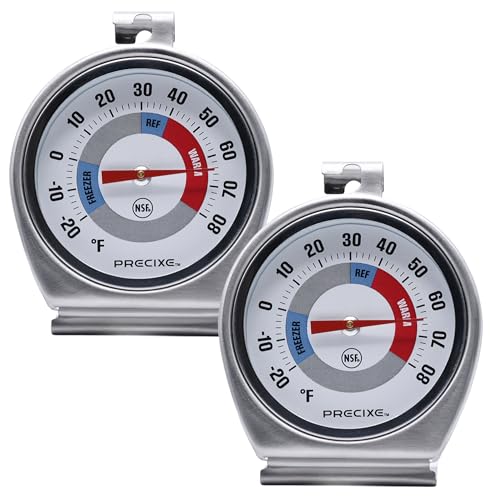
Looking at how much ice is left tells you about the ice, not about the food. USDA’s Food Safety and Inspection Service lists 40 degrees Fahrenheit or below as the safe holding temperature for cold perishable food, and describes the range from 40 to 140 degrees as the danger zone where bacteria multiply quickly.
An inexpensive appliance thermometer inside the food cooler answers the question directly, which matters most on the third day of a trip when the ice is thinning and everyone is estimating.
What FSIS Says About Coolers Specifically
FSIS advises packing coolers with plenty of ice or frozen gel packs and keeping the cooler in the shade where possible when cold food is held outdoors. It also publishes the two hour rule for perishable food left out at room temperature, shortened to one hour when the air temperature is above 90 degrees.
That second rule is the one that matters at a picnic table on a hot afternoon. The cooler can be doing its job perfectly while the potato salad sitting next to it is not.
Frequently Asked Questions
How long will ice last in a regular cooler? Less than the advertised figure in normal camping use, and the honest answer depends on the weather, how full the cooler is and how often it is opened. Rather than a fixed number, expect a standard cooler to cover a weekend and a rotomolded one to cover considerably more, both assuming they are packed full and kept in shade.
Does block ice really last longer than cubes? Yes, because a block has less surface area relative to its volume so it melts more slowly. Cubes are still worth bringing, since they fill the gaps between items and air space is the other thing that kills ice life.
Should I drain the water out of my cooler? Usually not. Cold meltwater keeps the contents cold better than the warm air that replaces it. Drain when food is floating or waterlogged, and keep items in sealed containers so the water is not a problem in the first place.
Does a cooler keep ice longer if it is full? Yes, and it is one of the biggest factors you control. Fill any remaining space with ice, frozen bottles or even crumpled towels, because empty space fills with warm air every time the lid opens.
How much does the sun affect a cooler? A great deal, particularly on the lid, which is usually the thinnest insulated surface. Moving a cooler into shade or covering it with a light colored blanket or towel is one of the most effective free improvements available.
How do I know if food in my cooler is still safe? Measure rather than guess. FSIS lists 40 degrees Fahrenheit or below as the safe holding temperature for cold perishable food, so an appliance thermometer in the cooler answers the question. If in doubt about food that has been warm, follow FSIS guidance rather than judging by smell.
The Bottom Line
Published ice figures are a ceiling produced by a full, pre chilled, unopened cooler. You get close to it by packing tight, chilling everything first, keeping the lid shut, staying in shade and leaving the drain plug alone. Our cooler packing guide covers the loading order that does most of this for you, and ice packs or block ice covers which cold source to actually buy.