Last updated: August 20, 2026
Camp chairs almost never die all at once. The carry bag splits first, then a seam by the armrest opens, then one foot pops off in the gravel and the leg starts digging into the dirt. By the time somebody sits down hard and the seat tears, the chair has been telling you for a season that it needed ten minutes of attention.
Most of those failures are genuinely fixable at the picnic table with a small kit, and the rest are worth a decision rather than a reflex trip to the store. This guide walks through the four things that break on a folding camp chair, what actually holds each repair, and the point at which a frame is telling you it is finished.
This article contains affiliate links. If you buy through them, we may earn a commission at no extra cost to you. Learn more.
Quick Answer
How do you fix a camping chair?
- Torn fabric: sew the seam with heavy thread, then back it with adhesive repair tape.
- Stiff or squeaking hinges: clean out the grit, then use a dry lubricant, not oil that attracts dirt.
- Missing feet: replace the caps or fit wider feet so the legs stop sinking.
- Split carry bag: buy a replacement bag rather than fighting the zipper.
Bottom line: fabric and feet are worth repairing, a bent or cracked frame tube usually is not.
Work Out What Failed First
Set the chair up on a hard surface and look at it empty before you touch anything. Four things account for nearly every camp chair complaint: torn or stretched fabric, a hinge or pivot that no longer moves cleanly, a missing or worn foot, and a frame tube that has bent or cracked. Only the last one is a real stopping point.
Pay attention to where the load goes. Fabric almost always tears where it wraps a frame tube or where a stress seam meets the armrest, because that is where the stitching carries the whole weight of a seated adult. A tear in the middle of a seat panel is unusual and normally means something sharp did it.
The Two Minute Inspection
Run a hand along every tube and feel for a flat spot or a kink, then fold and unfold the chair twice and listen. Grit in a pivot sounds like sand in a hinge, a cracked plastic joint sounds like a click that was not there last year, and a bent tube shows up as a fold that suddenly needs force.
Repairing Torn Seat Fabric
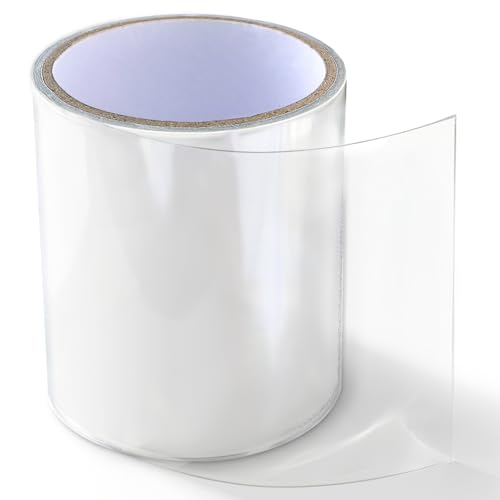
A torn seam is a sewing job first and a tape job second. Pull the frame out of the fabric sleeve if the design allows, close the tear with a heavy needle and upholstery or bonded nylon thread using a doubled backstitch, then reinforce the outside with adhesive fabric repair tape so the stitching is not carrying the load alone.
Tape on its own fails quickly on a seam that flexes every time somebody sits down. If you only have tape, put it on both sides so the two patches bond to each other through the tear.
When the Fabric Has Simply Stretched
Polyester seat fabric sags over years of sun and load, and a saggy seat is not repairable by sewing. Some campers take a tuck in the underside of the seat panel, which tightens it but shortens the seat and puts a new stress line where the tuck ends. It buys a season, not a decade.
A cleaner option on common chair models is a replacement seat cover or a slipcover sized for that chair, which restores the surface without touching the frame. Check that the cover is listed for your model rather than for a generic folding chair, since arm and back geometry vary a lot between brands.
Hinges, Pivots and Squeaks
Nearly every stiff camp chair hinge is a dirt problem, not a rust problem. Sand, pine needles, and dried mud pack into the pivot and act like a brake. Flush the joint with water, work it back and forth, let it dry fully, and only then add lubricant, because lubricating over grit turns it into grinding paste.
Use a dry film or a silicone lubricant rather than a heavy oil. Oil on a chair that lives in a sandy trunk collects the next round of grit within a trip, which is how a joint that was merely stiff becomes one that binds.
Loose Rivets and Cracked Plastic Joints
Folding chairs are held together with rivets and small plastic hubs, and both loosen with age. A loose rivet can often be tightened by supporting the head on something solid and tapping the tail to spread it slightly, which is a repair worth trying before writing the chair off.
Cracked plastic hubs are harder. Adhesive rarely holds a part that flexes under load every time the chair opens, and a hub that fails while someone is sitting down drops the chair sideways. If a load bearing plastic joint is cracked, treat the chair as retired rather than patched.
Feet That Sink and Caps That Vanish
Missing foot caps are the most common and the easiest fix. Replacement caps in the right internal diameter push straight onto the tube ends, and wider feet or sand cups spread the load so the legs stop burying themselves in soft ground. Measure the tube diameter before ordering, since chair tubing is not one universal size.
On sand or soft turf, wide feet do more for comfort than any fabric upgrade. Narrow tube ends sink unevenly, which tilts the seat and twists the frame.

The Carry Bag
Carry bags fail at the seam and at the zipper pull, usually because the raw end of a legless tube has been sawing at the fabric all season. Fix the feet first, then replace the bag. A replacement bag sized for a folding camp chair is a cheap way to keep a good chair packed without a loose pile of parts in the trunk.

Repair or Replace
The dividing line is the frame. Fabric, feet, hinges, and bags are all worth fixing on a chair you like, and the parts cost a fraction of a new chair. A bent, kinked, or cracked frame tube is a different matter, because it will not carry load predictably and there is no home repair that restores the original strength.
| Problem | Fix | Difficulty | Verdict |
|---|---|---|---|
| Torn seam or panel | Sew plus repair tape | Moderate, needs a heavy needle | Worth repairing |
| Stiff or gritty hinge | Clean, dry, dry lubricant | Easy | Worth repairing |
| Missing or worn feet | Push on caps or wide feet | Easy | Worth repairing |
| Bent or cracked frame tube | None that restores strength | Not a home repair | Retire the chair |
Stop the Next Failure
Most camp chair damage happens between trips rather than during them. Chairs packed damp grow mildew in the seams, chairs stored with grit in the pivots seize over winter, and chairs left in a hot trunk all summer lose fabric strength to ultraviolet exposure faster than the same chair kept in a garage.
The routine is short: shake the sand out, wipe the frame, let the fabric dry completely in the shade rather than in direct sun, and store the chair standing or lying flat rather than crushed under a cooler. Our winter storage guide covers the same principle for the rest of the kit.
Load and Habits
Two habits shorten chair life more than anything else: dropping into the seat rather than sitting down, and carrying a folded chair by one armrest. Both concentrate load on the exact seams that fail. The published weight capacity on your chair’s listing is the number that matters, and it is per chair, not per family.
If your current chairs are outgrown rather than broken, the honest fix is a sturdier model rather than a repair. Our camping chair guide covers how capacity and frame construction differ, and the rocking chair guide covers the models with moving parts that need the most upkeep.
Frequently Asked Questions
What is the best way to fix a torn camping chair seat? Sew the tear closed with heavy upholstery or bonded nylon thread in a doubled backstitch, then cover the repair with adhesive fabric repair tape on both sides. Tape alone rarely holds on a seam that carries body weight.
Can you buy a cover for a camping chair? Yes, replacement seat covers and slipcovers exist for common folding chair shapes. Check the listing is for your model or a chair with the same arm and back geometry, because a generic cover often will not sit right on a contoured frame.
Where do I get a replacement bag for a camping chair? Replacement carry bags for folding camp chairs are sold separately in generic sizes. Measure the folded length and diameter of your chair first, and fix any missing foot caps at the same time, since raw tube ends are usually what cut the old bag.
How do I stop chair legs sinking into sand? Fit wider feet or sand cups over the tube ends so the load spreads. Measure the outside diameter of the tubing before ordering, since camp chair tubes come in several sizes and a loose cap falls off in the first trip.
Is a bent chair frame repairable? Not reliably. Straightening a bent aluminum or steel tube leaves a weak point that can fail under load without warning. If a load bearing tube is bent, kinked, or cracked, retire the chair rather than patching it.
The Bottom Line
Fix camp chairs in this order: feet, hinges, fabric, bag. Those four repairs are cheap, quick, and hold up for seasons, and they solve the failures that actually annoy people. Frames are the exception, because a bent or cracked tube has no safe home repair. When a chair genuinely is finished, our camping chair guide covers what to look for in the next one, and the rocking camping chair guide covers the models with the most moving parts to maintain.