Last updated: August 20, 2026
Camping with a baby is mostly ordinary camping plus one thing: everything hygiene related happens far more often and always at the wrong moment. A diaper change at a picnic table in the wind, a bottle that needs rinsing when the spigot is far away, and hands that need washing between every one of those events add up to a routine that either has a system or falls apart by the second morning.
The good news is that the system is small. A dedicated changing spot, a wash setup that works without walking to the restroom, a sealed place for used diapers, and a way to get water comfortably warm covers almost everything. This guide covers those four, plus the rules that decide what has to leave with you.
This article contains affiliate links. If you buy through them, we may earn a commission at no extra cost to you. Learn more.
Quick Answer
How do you handle hygiene camping with a baby?
- One fixed changing spot: a waterproof pad on a table or in the car, set up once and left there.
- Hand washing at the site: a jug with a spigot or a foot pump station, not a walk to the restroom.
- Used diapers: a sealed wet bag or bin, and they leave with you.
- Washing the baby: a collapsible tub with water warmed on the stove and checked before use.
Bottom line: set the stations up before the first change, because nothing gets organized once the trip is underway.
Give Changing a Fixed Place
The first decision is where changes happen, and the answer should be the same spot every time. Most families use the back of the vehicle with the hatch up, which gives shade and a windbreak, or one end of the picnic table with a waterproof pad down. Consistency matters more than which you pick.
Keep the whole kit in one bag at that spot: pad, wipes, diapers, a change of clothes, hand sanitizer, and the sealed bag for used diapers. Hunting for wipes with one hand on a wriggling baby is how things end up on the ground.
Wind, Sun and Bugs
Wind lifts loose wipes and blankets, so weight the corners or change in the vehicle. Direct sun makes a metal picnic table uncomfortable to touch, so check the surface first. Bugs find still, low targets, so evening changes go better inside the tent or the car.
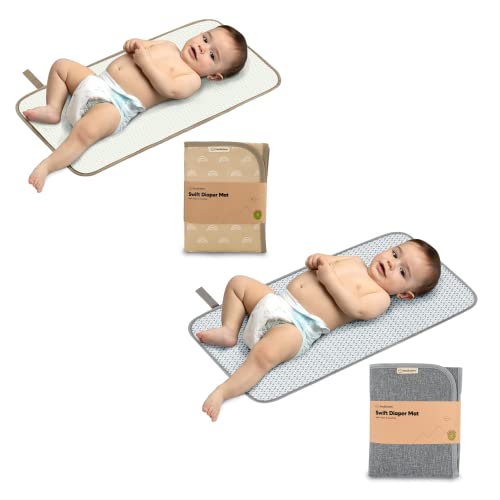
A waterproof, wipeable changing pad is the one piece worth buying specifically for this. Fabric pads soak up whatever the ground offers, and a pad that cannot be rinsed off becomes the thing nobody wants to touch by the second day.
Washing Hands Without Walking to the Restroom
Hand washing is the highest frequency task on a trip with a baby, and it is the one that collapses if it requires a walk. A water jug with a spigot on the edge of the table, or a foot pump station beside it, means an adult can wash without leaving the child alone and without carrying a baby to the restroom every time.
Set the wash point away from the food prep area and from where the baby sleeps, with a drainage plan underneath. Our camp hand washing station guide compares the jug, gravity, and foot pump options.

Where the Wash Water Goes
Greywater rules are set by the land manager and differ between a private campground with a utility sink, a dispersed forest site, and a state park. Check what the site requires, and follow Leave No Trace guidance at lnt.org for washing away from water sources.
In practice that means catching the water in a basin rather than letting it soak the ground under the table, then disposing of it where the campground directs. A wash tub with a spout makes that a one handed job.
Diapers Leave With You
Used diapers and wipes are pack it out items everywhere. They do not break down, they attract animals, and burying or burning them is not acceptable practice at a campsite. The workable system is a sealed wet bag or lidded bin in the vehicle rather than at the tent.
A hanging wet bag with a zip closure, doubled with a heavy duty liner bag, is what most families settle on, and it goes into the campground dumpster or leaves with you according to the site’s rules.
Keeping Wildlife Out of It
Anything with a smell belongs in the vehicle or the campground’s storage locker overnight, and that includes diapers, not just food. In areas with bear activity, follow the food storage order the land manager posts for that campground.

Washing the Baby at a Campsite
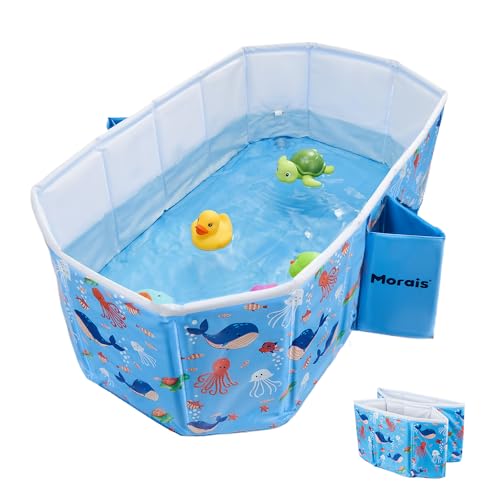
A full bath is rarely necessary on a weekend, and most families do a wipe down at night and a proper wash only when something warrants it. A collapsible tub or a soft sided basin on the picnic table is easier and safer than a campground shower stall, and it uses far less water.
Warm water comes from heating a pot on the camp stove and mixing it into cool water in the tub, then checking the temperature by hand. Never wash a baby with water straight from a heated source, and keep the stove well away from the wash area.
Soap and Skin
Use the soap you already use at home rather than introducing a new product on a trip, and keep it out of streams and lakes. Biodegradable soap still needs to be used away from water sources.
If your child has a skin condition, a rash that is not settling, or you are unsure about sun protection for an infant, that is a question for your pediatrician before the trip rather than something to work out at a campsite. Nothing in a gear guide substitutes for medical advice about a baby.
The Four Stations at a Glance
Setting these up in the first twenty minutes at the site is the difference between an organized weekend and a scramble. Each station has one job and one location, so nobody has to think about where anything is at two in the morning.
| Station | Where it lives | Core item | Watch out for |
|---|---|---|---|
| Changing | Vehicle hatch or table end | Wipeable waterproof pad | Hot metal surfaces, wind |
| Hand washing | Away from food prep | Spigot jug or foot pump | Greywater rules on site |
| Diaper disposal | Vehicle, not the tent | Sealed wet bag or bin | Wildlife, overnight storage rules |
| Baby washing | Table, near the stove | Collapsible tub | Water temperature, soap near water |
What Experienced Camping Parents Pack Extra
Two things come up constantly from families who camp with infants: more clothing changes than seem reasonable, and more small sealed bags than seem reasonable. Cold, damp, and dirt arrive faster outdoors, and a dry outfit within reach is what keeps a bad half hour from ending the trip.
The second habit is duplication by location. A pack of wipes in the car, one in the tent, and one in the day bag beats a single big pack that is always in the other place. Our camping wipes guide covers which types hold up in a hot vehicle.
Sleep and Warmth
Insulation underneath, not just blankets on top, is the principle for ground chill, and safe sleep guidance for infants comes from your pediatrician rather than from camping habit.
Plan the site layout so the sleeping area is upwind of the kitchen and away from the wash station. Our camping with toddlers guide covers how that layout changes again once the child is walking.
Frequently Asked Questions
Where do you change a diaper while camping? Pick one spot and keep it: usually the back of the vehicle with the hatch up, or one end of the picnic table with a wipeable waterproof pad. Consistency beats improvising, especially after dark.
What do you do with dirty diapers when camping? Pack them out. Use a sealed wet bag or lidded bin stored in the vehicle rather than the tent, and dispose of it according to the campground’s rules. Burying or burning diapers is not an acceptable practice.
How do you wash a baby at a campsite? A collapsible tub on the picnic table, filled with cool water and topped up from a pot warmed on the camp stove, then checked by hand before use. Keep soap away from streams and lakes and follow Leave No Trace guidance for washing.
Do I need a hand washing station for camping with a baby? It makes the biggest single difference. A jug with a spigot or a foot pump station at the site means you can wash between changes without walking to the restroom or leaving a child unattended.
Is camping safe for an infant? That is a conversation for your pediatrician, who knows your child. What a gear guide can help with is the practical setup: shade, insulation underneath, a sheltered changing spot, and a wash routine that works without leaving the site.
The Bottom Line
Camp hygiene with a baby comes down to four fixed stations set up before you need them: changing, hand washing, sealed diaper storage, and a wash tub. Diapers and wipes always leave with you, greywater goes where the land manager says, and anything medical goes to your pediatrician rather than a checklist. Start with the wash setup in our camp hand washing station guide, and add the wipes that survive a hot car from the camping wipes guide.