Last updated: August 21, 2026
Ask ten experienced campers what the essentials are and you get ten lists that agree on the tent and disagree on everything else. What they do agree on, without fail, is which items people forget, because those are the ones that generate the trip to the nearest hardware store on Saturday morning. That list is short, boring, and almost never features in the marketing photos.
This guide is built around that gap. It covers the items whose absence actually ruins an evening, the ones that quietly do three jobs each, and the popular purchases that spend most of their life in the garage. Car camping forgives a lot, since the car is right there, but it does not forgive arriving in the dark with no light and no mallet.
This article contains affiliate links. If you buy through them, we may earn a commission at no extra cost to you. Learn more.
Quick Answer
What are the real camping essentials?
- Shelter and warm sleep: a tent that fits, a pad or mattress under everyone, and bedding for the coldest night forecast.
- Light for every person, not one shared lantern.
- A way to cook and a way to wash up, including water storage.
- The unglamorous four: mallet, spare stakes, cord, and duct tape.
Bottom line: get sleep, light and the small hardware right and everything else is comfort you can add over time.
Sleep Is the Category Beginners Underbuy
The most common reason a first camping trip is also the last is a bad night’s sleep, and the cause is almost always the ground rather than the bag. Ground chill pulls heat out of a body all night, so a sleeping bag alone on a tent floor feels cold no matter how warm the bag is rated.
The fix is insulation underneath. Sleeping pads carry an R-value published by the manufacturer, which describes resistance to heat loss, and a higher number means more insulation between you and the ground. Air mattresses are comfortable but many are a large volume of cold air, so pair one with a blanket underneath or check the manufacturer’s own insulation claims rather than assuming.
Bedding for the Coldest Night, Not the Average
Check the overnight low for your dates, not the daytime high, and pack for the lower number. It is easy to vent a bag that is too warm and impossible to add warmth you did not bring. A spare blanket in the car costs nothing and has rescued more trips than any single piece of technical gear.
Light for Every Person
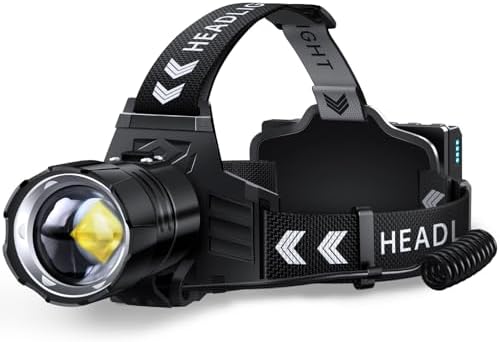
One lantern shared between four people is a plan that fails the first time two of them need to be in different places, which happens on the first evening. Every person at the site should have their own headlamp, including children, and the site should have at least one lantern for the cooking area.
Headlamps beat handheld flashlights because they leave both hands free for guylines, zippers and stoves. Look for a red mode, which preserves night vision and does not blind the family two sites over, and put charging or fresh batteries into the routine at the end of a trip rather than the start of the next one.
Cooking, Water and Washing Up
A two burner propane stove is the standard car camping answer because it works in wind and rain when a fire will not, and because campfire cooking is often ruled out entirely by fire restrictions. Restrictions change by county and by land manager, so check the current status for your destination before relying on a fire for any meal.
Water is the item people underestimate. Many campgrounds have a spigot, plenty of dispersed sites have nothing, and a jug with a spigot serves drinking, cooking and hand washing all weekend. Confirm with the campground whether potable water is available before you leave, and carry more than you think you need.
Any Fuel Appliance Belongs Outside
Camp stoves, grills and propane lanterns burn fuel, which produces carbon monoxide. They stay outside the tent, the awning, the screen house and the vehicle, without exception, and the manufacturers print exactly that warning on the appliance. If anyone in the group runs a fuel burning appliance near where people sleep, a battery powered carbon monoxide alarm in the sleeping area is a sensible addition to the kit.
The Boring Hardware Nobody Photographs
Four small items solve a disproportionate share of camp problems, and all four are routinely forgotten because none of them are exciting to buy. Keep them permanently inside the tent bag or the site bin so they cannot be separated from the gear they serve.
| Item | What it fixes | Where to keep it | Why it gets forgotten |
|---|---|---|---|
| Mallet | Stakes into hard ground | Inside the tent bag | Assumed the site will be soft |
| Spare stakes | Bent or lost stakes, extra guylines | Inside the tent bag | Nobody counts them at pack-up |
| Paracord | Clothesline, tarp, guyline, repairs | Site bin | Feels optional until it is not |
| Duct tape | Tent tears, pole splints, everything | Site bin | Borrowed from the garage and left there |
The Comfort Items That Actually Earn Their Space
Beyond survival, a handful of items change how a weekend feels rather than whether it works. A chair for every person is the first of them, because sitting on a cooler for three days is genuinely unpleasant and camp chairs pack flat against the side of a trunk.
A tarp or canopy is the second. Shade in summer and cover in rain both come from the same piece of gear, and it is the difference between a rainy afternoon spent in the tent and one spent playing cards at the table. Cord, stakes and a couple of adjustable poles turn a plain tarp into either.
What Most People Overbuy
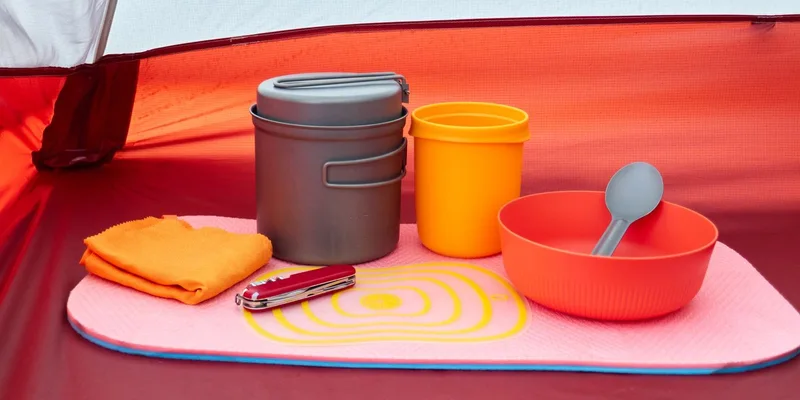
Multi-tools with forty functions, dedicated camp cookware sets with pieces nobody uses, and specialized gadgets bought for one imagined scenario. Car camping lets you bring the sharp kitchen knife you already own in a sheath, and a single pot and pan handle almost every camp meal. Spend the money on sleep and light instead.
First Aid and the Practical Extras
A basic first aid kit belongs in the car and should be checked, not just owned, since kits bought years ago are usually missing whatever was last used. Add any personal medication, sunscreen, insect repellent and a pair of tweezers, which do more work at a campsite than most of the kit combined.
Two more practical items round it out. A trash bag arrangement, because you pack out what you bring in and campground bins are not always available, and a small dry bag or plastic tub for anything that must stay dry. Leave No Trace publishes the general practice for waste at lnt.org, and the specific rules for a site come from the land manager.
Frequently Asked Questions
What are the absolute essentials for camping? Shelter, insulation under every sleeper, warm bedding, a light per person, a way to cook, water storage, and the small hardware: mallet, spare stakes, cord and tape.
What do first time campers forget most often? A mallet, spare tent stakes, a can opener, spare batteries and a rain layer. Storing the first four permanently in the camping bins solves it for good.
Do I need a sleeping pad if I have an air mattress? An air mattress is comfortable but is largely cold air, so many campers add a blanket or a foam layer underneath. Check whether the manufacturer publishes any insulation rating for the model.
Can I cook inside the tent if it is raining? No. Camp stoves and any other fuel burning appliance produce carbon monoxide and stay outside the tent, awning and vehicle. Cook under a tarp or canopy with open sides instead.
How much camping gear do I need for a first trip? Less than the lists suggest. Borrow or rent the tent and sleeping gear if you can, buy the cheap hardware outright, and add comfort items only after you know what your family actually uses.
Is a campfire an essential? It is a pleasure, not a requirement, and it is frequently unavailable. Fire restrictions vary by county and land manager and change with conditions, so always have a stove and always check the current rules before you travel.
The Bottom Line
The essentials are the items whose absence ends an evening: insulation under every sleeper, a light on every person, a stove that works in wind, water you brought yourself, and four pieces of boring hardware in the bin. Everything else is comfort you can add one trip at a time. Turn this into something you can pack from with our camping checklist, get the shelter decision right with our guide to a family camping tent, and see what a camping cookware set should actually contain before buying one.