Last updated: August 20, 2026
Camping without a shower block is not the problem people imagine. The problem is doing it badly: shivering in a breeze, soap in the eyes, nowhere dry to stand, and clean clothes on the ground picking up grit. Every one of those is a sequencing issue rather than a gear issue.
What follows is the routine that works at a site with nothing but a picnic table and a water spigot, plus the small number of items that make it repeatable. It works for a solo camper with a bucket and it scales to a family of four with a privacy shelter.
This article contains affiliate links. If you buy through them, we may earn a commission at no extra cost to you. Learn more.
Quick Answer
How do you shower while camping with no facilities?
- Warm the water in advance, in a solar bag through the day or a pot on the camp stove at dusk.
- Set everything out first: towel, clean clothes, soap, sandals, all within reach and off the ground.
- Wet down, shut the water off, soap, then rinse. That sequence is what makes a small tank enough.
- Wash well away from streams and lakes, and follow the site rules for where greywater goes.
Bottom line: heat first, lay everything out second, and use the shut-off on the shower head.
The Order That Makes a Camp Shower Work
A camp shower goes wrong at the transitions, not during the washing. Standing wet while you hunt for soap, or finding the towel is on damp ground, is what turns a warm rinse into an unpleasant five minutes. Setting everything out before the water starts removes almost all of it.
The order is: heat the water, pitch or check the privacy shelter, hang the towel and clothes on a dry hook, put sandals by the door, hang the shower head, then undress. Every step you complete while still dry is one you are not doing wet and cold.
Getting Warm Water Without a Hookup
There are three practical routes. A solar bag laid flat in the sun through the day, a pot of water heated on the camp stove and mixed into a bucket, or a portable propane water heater that heats continuously. Each suits a different group size and a different tolerance for setup.
The stove-and-bucket route is the most controllable, because you mix to the temperature you want by hand and can top it up. The solar bag is the least effort. The propane heater is the only one that keeps producing for a family washing one after another.
If you use a propane heater, keep it outside
Portable propane water heaters are combustion appliances and the manufacturers instruct outdoor use only. Do not run one inside a tent, a privacy shelter, an awning or a vehicle. Follow the clearances in the unit’s own manual, and carry a battery carbon monoxide alarm to place where you sleep whenever fuel burning gear is part of your camp.
Setting Up the Washing Spot
Pick ground that drains, downwind of the sleeping tents and out of the sightline of neighboring sites. Put a slatted mat or a few flat stones where you will stand so your feet stay out of the runoff, and a second mat just outside the door for the step out.
Inside, you want three things off the ground: the towel, the clean clothes and the soap. Most privacy shelters have loops or pockets for exactly this. If yours does not, a length of cord across the top corner and two carabiners does the job.
The shelter that makes it repeatable
Without privacy, a camp shower happens once and then quietly stops happening. A pop-up shelter that stands and drains properly is the difference between a routine and a story about the time you tried.

The Wash Itself
Wet down quickly, shut the water off at the head, soap from the top down, then rinse from the top down as well. Hair first, feet last. This is the sequence that makes a few gallons enough for a real wash instead of a hurried rinse, and it is the single most useful habit in this whole routine.
Use a small amount of concentrated soap sold as biodegradable rather than shower gel from home. It goes much further, it rinses off with less water, and it is the appropriate choice for water that ends up in the ground rather than in a drain.
The water delivery that does the work
A shower with real pressure and a shut-off trigger is what makes the wet-soap-rinse sequence possible. A gravity bag with no valve turns the same wash into a race against the water running out.

Washing Without a Shower at All
Plenty of trips do not justify the full setup. A hot basin wash covers most of it: a bowl of warm water, a cloth, soap, and a systematic pass from face down to feet. Add a rinse of the hair over the basin and you are close to what a shower achieves.
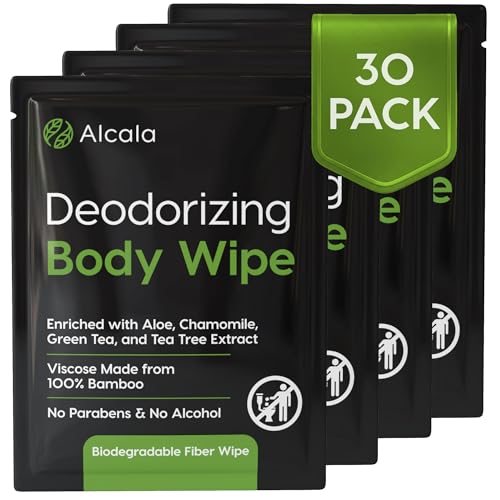
Body wipes and dry shampoo fill the gaps between proper washes, particularly on a long weekend or when the weather turns. They are also what most people actually use on the first night after a late arrival.
The kit that covers the in-between days
Large body wipes and a dry shampoo take up almost no room and remove the need to set anything up at all. Pack the wipes out afterward, whatever the packaging says about breaking down.
Comparing the Routines
| Routine | Setup time | Water needed | Suits |
|---|---|---|---|
| Solar bag shower | All day passively, minutes to hang | One bag | Sunny summer weekends |
| Stove and bucket with pump | Ten minutes to heat and mix | One bucket per person | Couples, cool evenings |
| Propane heated shower | Longest, cylinder and hose | Continuous supply needed | Families washing in sequence |
| Basin wash and wipes | Almost none | A bowl of water or none | Late arrivals, bad weather, short trips |
Greywater, Soap and the Local Rules
Where soapy water may go is set by the land manager, not by the soap. National Park Service units, Forest Service districts, BLM land, state parks and private campgrounds all publish their own rules, and many campgrounds direct greywater to a designated drain or utility sink rather than onto the pitch.
Leave No Trace keeps current guidance on washing and waste water at lnt.org, including keeping washing well away from lakes and streams. A soap described as biodegradable still needs soil and distance from water to break down, so the label is not permission to wash in a creek.
Frequently Asked Questions
How often do you actually need to shower while camping? Less often than at home for most people, and a basin wash covers the days in between. What matters more is washing hands before food and keeping feet and any skin folds clean and dry.
Can I shower in a lake or river? Not with soap, and often not at all depending on the site. Carry water away from the source, wash there, and follow the land manager’s rules. Leave No Trace guidance is clear on keeping soap out of water bodies.
How much water does a camp shower use? Far less than a home shower once you use the shut-off between wetting and rinsing. Most people find a few gallons per person is a comfortable wash when the sequence is right.
What do I wear to and from the shower tent? Sandals or flip flops and something that goes on over damp skin easily. Keeping shoes at the door and clothes on a hook rather than the floor is what keeps grit out of everything.
How do I wash long hair at camp? Over a basin rather than under a shower head, so you control the water. Wet, lather once, rinse with a jug, and finish with a rinse of clean water. It uses a fraction of what a standing shower does.
Are camping wipes enough on their own? For a couple of nights, generally yes. For a longer trip they work best as the in-between option alongside a proper wash every day or two. Pack them out regardless of what the packaging claims.
The Bottom Line
Showering at a site with no facilities comes down to heating the water in advance, laying everything out while you are still dry, and using the shut-off on the head so a small volume goes further. Keep any propane heater outside the shelter, wash well away from water, and follow the local rules for greywater. Choose the water source in our portable camping shower guide, get the enclosure right with our shower tent guide, and set up washing at the kitchen end with a camp hand washing station.