Last updated: August 21, 2026
Most camping checklists fail for the same reason: they are organized as one enormous alphabetical list, so packing means reading two hundred lines and mentally sorting them into piles. You end up walking between the garage and the car forty times, and you still arrive without the mallet. A checklist is only useful if it is shaped like the way you actually load a vehicle.
This one is organized by bin. Each group below corresponds to one container that lives packed between trips, which means most of your packing is already done before the trip starts and the checklist becomes a verification pass rather than a scavenger hunt. The last section covers the things that cannot live in a bin, which is where almost every forgotten item comes from.
This article contains affiliate links. If you buy through them, we may earn a commission at no extra cost to you. Learn more.
Quick Answer
What should be on a camping checklist?
- Five groups: shelter and sleep, kitchen, site and comfort, light and power, and personal items.
- Keep the first four groups packed in labeled bins year round so only the fifth needs real packing.
- Load the car so the last thing in is the first thing you need: shelter, then light, then kitchen.
- Check the fire and firewood rules for your destination before you leave, not on arrival.
Bottom line: build the list around bins rather than categories and packing turns into a ten minute check.
Bin One: Shelter and Sleep
This is the bin that determines whether the trip is survivable, so it gets checked twice. Everything here should be stored together with the tent, and the small items should live in a labeled bag inside the tent bag so they cannot be separated from it. Stakes and a mallet are the two most commonly forgotten items in all of camping.
- Tent, poles, rainfly, and the tent bag
- Stakes, spares, and a mallet
- Footprint or ground tarp cut to size
- Guyline cord and a few extra tensioners
- Sleeping bag or bedding for each person
- Sleeping pad, air mattress, or cot for each person
- Pump and its adapter, plus a patch kit
- Pillows, or something that works as one
- Doormat or small scrap of carpet for the tent door
Bin Two: The Camp Kitchen
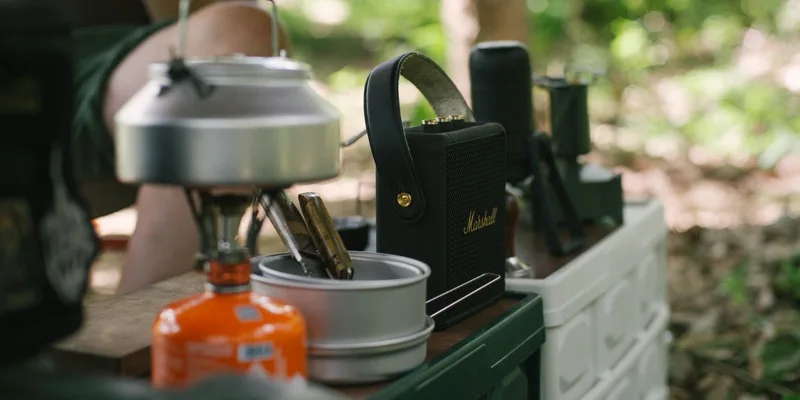
The kitchen bin is the one that benefits most from being duplicated. Buying a second set of the cheap items, so the camping ones never leave the bin, removes the single biggest source of forgotten gear. Nothing here should be borrowed from the house kitchen on the morning of departure.
- Stove, fuel canisters, and a lighter or matches
- Pot, pan, and a kettle if you use one
- Plates, bowls, cups, and utensils per person
- Cooking utensils, tongs, and a sharp knife in a sheath
- Cutting board and a can opener
- Wash tub, biodegradable soap, sponge, and a drying towel
- Trash bags and a bag for recycling
- Foil, zip bags, and food storage containers
- Paper towels and a roll of tape
Cooler and Food Are Their Own Job
The cooler is packed the morning of departure, never the night before, and it goes in the car last so it comes out first. Keep raw meat sealed and at the bottom, and use the USDA’s published guidance on safe cold holding temperatures rather than judging by feel. A cheap thermometer left in the cooler answers the question permanently.
Bin Three: Site and Comfort
This is the bin that turns a parking spot into a campsite. Most of it is bulky and none of it is fragile, so it can live in a large tote in the garage and go straight into the car. The tarp and cord earn their place on every trip regardless of the forecast.
- Camp chairs, one per person
- Table, or a cover for the site’s picnic table
- Canopy or tarp, plus the poles and guylines for it
- Extra cord, carabiners, and bungees
- Broom or brush for the tent floor
- Bucket, and a mat for muddy boots
- Water jug with a spigot
- Hand washing setup and soap
- Camp towel per person
Bin Four: Light and Power
Light gets its own bin because it is the one category where a shortfall is felt immediately, usually within an hour of arriving. Everything in here should be charged or have fresh batteries before it goes back in the bin at the end of the previous trip, not before the next one.
- Headlamp for every person, including children
- Lantern for the site and a small light for each tent
- Spare batteries in a sealed bag
- Power bank and the cables to use it
- Car charging adapter
- String lights if you use them, on a reel
- Power station and solar panel if your trip needs them
Charge Everything the Night Before
Rechargeable gear has no equivalent of a spare set of batteries in the bin, so a single charging session the evening before departure covers the headlamps, the lanterns, the power bank and the phones. Our guide to a camping lantern covers how much light a site actually needs and where to hang it.
What Cannot Live in a Bin
These are the items that come from the house on the day, and consequently they are the ones that get left behind. Keep this short list on the fridge or in a note on your phone, and treat it as the final check before the car doors close.
| Item | Why it cannot be pre-packed | When to grab it | Common failure |
|---|---|---|---|
| Clothing and layers | Depends on forecast | Night before | No rain layer, no warm hat |
| Medication and toiletries | In daily use at home | Morning of | Left in the bathroom |
| Cooler and food | Must stay cold | Last item loaded | Packed too early, warm on arrival |
| Reservation and documents | Printed or downloaded late | Night before | No signal to retrieve it |
Check the Local Rules Before You Leave
Two things are worth confirming before departure rather than at the gate. First, whether campfires are permitted at your destination right now, since fire restrictions and burn bans change by county, by land manager and sometimes by day. Check with the land manager or the county fire authority for the specific site.
Second, firewood. Many states and parks require locally sourced or certified heat-treated firewood to limit the spread of invasive insects, and rules differ across state lines and even between forests. Check the rule for your destination rather than assuming the wood in your garage is acceptable, and plan to buy near the campground if it is not.
Also Worth Confirming
Quiet hours, generator hours, whether dogs are allowed and on what leash length, whether the site has potable water, and whether the road in requires anything of your vehicle. All of these are published by the campground or the land manager, and all of them are more annoying to discover on arrival.
Loading the Car in Reverse Order
Load so that the first thing you need at the site is the last thing into the vehicle. In practice that means shelter and stakes go in near the door, along with the light bin, because a late arrival needs the tent up and a lantern on before anything else matters.
Keep a small bag in the cabin rather than the trunk with headlamps, the reservation, a jacket, water and snacks. Arriving after dark and having to unload the whole car to find a headlamp is the most avoidable frustration in camping, and it is the one nearly everyone experiences once.

Frequently Asked Questions
What is most commonly forgotten when camping? Tent stakes and a mallet, a can opener, spare batteries, and a rain layer. Storing the first three permanently inside their bins removes most of the risk.
How do I organize camping gear so packing is fast? By bin rather than by category. Keep shelter, kitchen, site and light gear packed year round in labeled containers, so only clothing, food and toiletries need real packing before a trip.
What order should I load the car? Reverse of what you need. Shelter and lighting go in last so they come out first, the cooler goes in last of all, and a small cabin bag holds headlamps, documents and snacks.
How much water should I bring camping? Enough for drinking, cooking and washing, plus a reserve, and check with the campground whether potable water is available on site. Many dispersed sites have none at all.
Do I need to check fire rules before every trip? Yes. Restrictions change with conditions and vary by county and land manager, and firewood transport rules differ between states and forests. Confirm both with the land manager before you leave.
How do I stop repacking the same things every trip? Buy duplicates of the cheap kitchen items so the camping set never leaves the bin, and refill or recharge everything at the end of a trip rather than at the start of the next one.
The Bottom Line
A checklist works when it matches the containers you own. Four bins that stay packed, one short list of things that come from the house, and a rule about loading in reverse order will get you out of the driveway faster than any longer list ever will. If you are still assembling that kit, our guide to camping essentials covers what actually earns space in the car, a family camping tent is the single decision that shapes everything in bin one, and planning a first camping trip walks through what to buy first and what to borrow.