Last updated: August 20, 2026
You pull into a dispersed site in the national forest, and there is no fire ring. Or you pull into a developed campground and the ring that is there is a rusted drum full of half burned trash and melted bottle caps. Either way, the fire you were planning is now a logistics problem rather than an evening.
A portable camping fire pit solves both cases, and it solves a third one that matters more every year: keeping the fire off the ground so you leave nothing behind. The category splits into a few distinct designs that suit different campers, and the choice comes down to how you travel, how much smoke you can tolerate, and what the land you camp on requires. This guide walks through all three.
This article contains affiliate links. If you buy through them, we may earn a commission at no extra cost to you. Learn more.
Quick Answer
Which camping fire pit should you buy?
- Elevated mesh pits keep the fire off the ground, which is what dispersed camping and Leave No Trace practice call for.
- Double wall stainless pits burn cleaner and smoke less, at the cost of weight and bulk.
- Flat pack steel pits are the cheapest way to carry a fire ring, and they nest into almost any trunk.
- Check current fire restrictions with the land manager for the site you are visiting, every trip, in fire season.
Bottom line: decide first whether the fire has to be off the ground, then pick the design that fits your vehicle.
Why Off the Ground Has Become the Default
A ground fire leaves a scar, a ring of blackened rocks and a patch of sterilized soil that stays visible for years. Leave No Trace, at lnt.org, treats minimizing campfire impacts as one of its core principles, and the practical version of that principle is to contain the fire in something that lifts it clear of the ground and catches every ash.
There is a regulatory version of the same idea. Some land managers require fires to be contained in a pan or an elevated device in certain areas and seasons, and river corridors in particular have carried fire pan requirements for years. Which rule applies to your site comes from the agency managing it, so ask them rather than assuming.
The Four Designs and What They Trade
Portable fire pits come in four broad shapes: elevated mesh pits on legs, double wall stainless cylinders, flat pack steel panels that assemble on site, and simple steel pans. They differ mostly in how much they weigh, how cleanly they burn, and how much of your trunk they claim on the drive out.
Elevated Mesh Pits
A steel mesh bed on folding legs holds the fire well above the ground, drops ash into a tray, and lets air feed the fire from below so it lights easily and burns down completely. They fold into a flat carry bag, which is why they have become the standard answer for dispersed camping.
Double Wall Stainless Cylinders
These pull air through a gap between two walls and reburn some of the smoke on its way out, which produces a noticeably cleaner fire and less of the smoke that follows you around the circle. The tradeoff is weight and a rigid shape that does not pack flat.
Flat Pack and Pan Designs
Interlocking steel panels assemble into a box on site and stack into a slim package for transport, and a plain steel fire pan is the simplest option of all. Neither manages smoke, but both are inexpensive, nearly indestructible, and easy to justify carrying in a vehicle that is already loaded.
Fire Pits by Camping Situation
What suits you depends on where you camp and how much room the fire pit gets in the vehicle. Dispersed sites push you toward elevated designs. Family campgrounds with an existing ring push you toward something that reduces smoke instead. Here is how the situations sort out.
Dispersed Sites With No Fire Ring
An elevated mesh pit is the natural fit, because it keeps the fire off vegetation and soil, catches ash for packing out, and folds into a bag that rides flat against the side of the trunk. It also lights easily, since air feeds up through the mesh bed.

When Smoke Is the Complaint
A double wall stainless pit is worth the bulk if your circle includes anyone who spends the evening moving their chair. The reburn effect gives a visibly cleaner flame and far less of the smoke that soaks into fleece and hair.
Tight Trunk, Simple Needs
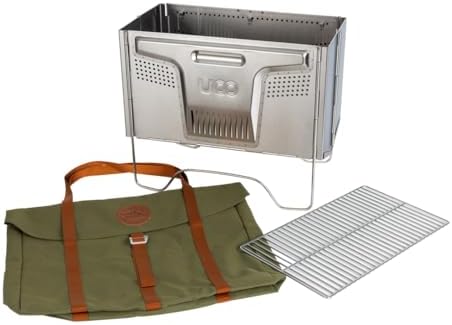
Flat pack steel panels stack into something the thickness of a laptop bag and assemble in under a minute. Nothing to break, nothing to rust through in a season, and cheap enough that it living permanently in the vehicle is not a decision you have to think about.

Where a Fire Pan Is Required
Some areas and river corridors specifically require a fire pan with sides, and a purpose built steel pan is the compliant answer. Confirm the requirement with the managing agency before the trip, because the specification for what counts as a pan varies between them.

Protecting Grass and Gravel Pads
Even an elevated pit radiates heat downward, and campgrounds increasingly ask that you protect the pad underneath. A heat resistant ground mat costs little, packs flat, and settles the question before a host has to raise it.

Comparing the Designs
The table sums up how the four designs differ on the things that decide which one you actually take. Weight and packed size matter more than most buyers expect, because a fire pit that does not fit stays home.
| Design | Off the ground | Smoke | Packing |
|---|---|---|---|
| Elevated mesh | Yes, on legs with an ash tray | Ordinary wood fire smoke | Folds flat into a carry bag |
| Double wall stainless | Raised, but sits close to the ground | Noticeably cleaner burn | Rigid cylinder, heavy |
| Flat pack steel | Contained, sits on the ground | Ordinary wood fire smoke | Stacks into a slim package |
| Steel fire pan | Contained, sits on the ground | Ordinary wood fire smoke | Flat, awkward but thin |
Fire Restrictions and Firewood Rules
Whether you can have a wood fire at all is decided locally and changes through the season. Restrictions escalate in stages, they differ between adjacent jurisdictions, and a campground may be stricter than the county it sits in. Check the current status with the land manager or county fire authority before every trip in fire season, and never treat last month’s answer as current.
Firewood is a separate local rule. Many states require firewood to be sourced locally or to be certified heat treated, to limit the spread of invasive insects, and campgrounds usually sell compliant wood on site. Check the rule for your destination rather than filling the trunk at home. If the restriction rules out wood entirely, a portable propane fire pit is the usual fallback, subject to the same confirmation from the land manager.
Getting a Long Life Out of It
Thin steel warps and burns through, and there is no way around that except buying a heavier gauge or accepting a shorter life. What you can control is water: a pit left uncovered in the rain rusts from the inside, and a hot pit doused with a bucket warps faster than one allowed to burn down and cool.
Empty the ash when it is cold, pack it out where required, and store the pit dry with the cover or bag on. If you carry your own wood, a firewood carrier keeps bark and insects out of the trunk, which is the other half of keeping the vehicle tolerable on a long weekend.
Frequently Asked Questions
Do I need an elevated fire pit or is a pan enough? That depends on the rule where you camp. Some areas require a pan with sides, some require the fire off the ground entirely, and many developed campgrounds only want fires in the provided ring. Ask the managing agency for your site.
Are smokeless fire pits actually smokeless? They burn cleaner, not smoke free. A double wall design reburns some of the smoke, so you notice a real difference around the circle, but wet or resinous wood will still smoke in any pit.
Can I use a portable fire pit during a fire ban? Usually not for wood, though the rules vary by stage and agency. Check the current restriction with the land manager or county fire authority, and ask specifically about wood versus gas appliances, because they are often treated differently.
Will it damage a grass or gravel campsite pad? It can, because heat radiates downward even from a raised pit. A heat resistant ground mat under the pit protects the pad and is often what campground hosts ask for.
What size fire pit for a family site? Big enough for the number of chairs around it, which for most families means a mid size pit rather than the largest available. Larger pits burn more wood for the same evening and take more of the trunk.
Can I bring firewood from home? Often not. Many states restrict moving firewood to limit invasive insects and require locally sourced or certified heat treated wood. Check the rule for your destination and buy on site if in doubt.
The Bottom Line
Pick the design by where you camp: elevated mesh for dispersed sites and Leave No Trace practice, double wall stainless if smoke is the complaint, flat pack steel if the trunk is already full, and a fire pan where one is specifically required. Then confirm the current restriction with the land manager before you plan an evening around a fire. Read next: our guide to portable propane fire pits and the head to head on propane versus wood.